

5 Best Cruelty-Free Skincare for Beginners

Table of Contents
- What Defines Cruelty-Free Skincare
- Quick Comparison: Our Top 5 Cruelty-Free Facial Soaps
- 1. Clarity Activated Charcoal Clay & Sea Moss Facial Soap
- 2. Turmeric Vitamin C & Sea Moss Facial Soap
- 3. French Green Clay & Sea Moss Facial Soap
- 4. Rose French Pink Clay & Sea Moss Facial Soap
- How to Identify Authentic Cruelty-Free Certifications
- How to Build a Cruelty-Free Skincare Routine for Beginners
- Frequently Asked Questions
Last Updated: September 29, 2026
What Defines Cruelty-Free Skincare
Cruelty-free skincare means products made without testing on animals and sourced from companies that don't fund or conduct animal testing at any stage of development. At Gracie & Co. 1942, we believe this commitment extends beyond marketing claims, it reflects a genuine dedication to ethical production practices that benefit both your skin and the planet.
The term gets used loosely in the beauty industry, so understanding what it actually means matters. A truly cruelty-free product avoids animal testing entirely, uses ingredients that weren't tested on animals by suppliers, and comes from a company with transparent sourcing practices. Many brands claim to be cruelty-free without proper verification, which is why certification matters.
Cruelty-free skincare often overlaps with vegan formulations, though the two aren't identical. A product can be cruelty-free but contain beeswax or honey (animal-derived but not tested on animals). Conversely, a vegan product uses no animal ingredients but might come from a parent company that tests on animals in other markets. For beginners, the key is understanding what you're actually supporting with your purchase.
Quick Comparison: Our Top 5 Cruelty-Free Facial Soaps
| Product | Price | Best For | Key Ingredients |
|---|---|---|---|
| Clarity Activated Charcoal Clay & Sea Moss Facial Soap | $20.00 | Oily, blemish-prone skin | Activated charcoal, kaolin clay, bentonite clay, sea moss |
| Turmeric Vitamin C & Sea Moss Facial Soap | $20.00 | Radiant, brightening routine | Turmeric root powder, vitamin C, sea moss, kaolin clay |
| French Green Clay & Sea Moss Facial Soap | $20.00 | Everyday cleansing | French green clay, sea moss, shea butter, sweet almond oil |
| Rose French Pink Clay & Sea Moss Facial Soap | $20.00 | Sensitive, gentle care | French pink clay, sea moss, rose extract, olive oil |
| Soothing Aloe Hand & Body Butter | $22.00 | Hydration after cleansing | Organic aloe vera, mango butter, shea butter |
How We Selected These Products
Our selection focused on products that deliver genuine cruelty-free credentials without compromising on skin benefits. We prioritized handcrafted formulations using 100% natural ingredients, no sulfates, parabens, or synthetic fillers that irritate sensitive skin. Each product underwent evaluation for ingredient transparency and production ethics.

The facial soaps from Gracie & Co. 1942 stood out because they combine traditional soap-making expertise. Three generations of craftsmanship means these bars are formulated to cleanse without stripping your skin's natural barrier. We included the aloe butter because beginners often overlook the hydration step, cleansing alone leaves skin vulnerable, especially for those with sensitivity.
1. Clarity Activated Charcoal Clay & Sea Moss Facial Soap
This is the best choice if your skin runs oily or you struggle with breakouts. Activated charcoal pulls impurities, while kaolin and bentonite clays absorb excess oil. Sea moss adds marine minerals.

The bar weighs approximately 3 oz. Lather it between your hands, massage gently onto damp skin, and rinse thoroughly. Follow immediately with a lightweight moisturizer to prevent over-drying.
What makes this formula different: This bar balances detoxification with nourishment through coconut oil, shea butter, and castor oil. The result feels fresh without that tight, uncomfortable sensation many people associate with clay soaps.
Best for: People managing oily skin or occasional breakouts who want a simple, effective cleanser. It's especially useful if you've tried conventional acne washes that left your skin irritated or dry.
Key ingredients:
- Activated charcoal (draws out impurities)
- Kaolin clay (oil-absorbing mineral clay)
- Bentonite clay (deep cleansing)
- Sea moss (marine botanical minerals)
- Coconut oil, shea butter, castor oil (nourishment)
2. Turmeric Vitamin C & Sea Moss Facial Soap
Choose this if you want your skin to look fresher and more radiant. Turmeric has been used in skincare for centuries. Vitamin C amplifies that effect, while sea moss and kaolin clay keep the formula gentle enough for daily use.

This soap is designed for cleansing, not skin-lightening, an important distinction many people miss. The brightening effect comes from removing buildup. Use it morning and evening as part of a consistent routine, always followed by moisturizer and daytime SPF.
The turmeric root powder provides botanical benefit. Combined with vitamin C, sea moss, and kaolin clay, this bar creates a rich lather that cleanses without stripping. The formula reflects Gracie & Co. 1942's three generations of expertise in balancing traditional ingredients with modern skincare needs.
Best for: Anyone wanting a brightening cleanser that works with sensitive skin. It's ideal if you've tried vitamin C serums that irritated your face, this gentler format lets you benefit from the ingredient without irritation.
Key ingredients:
Clarity Activated Charcoal Clay & Sea →
- Turmeric root powder (traditionally valued in skincare)
- Vitamin C (brightening)
- Sea moss (botanical minerals)
- Kaolin clay (gentle cleansing texture)
- Shea butter, coconut oil, castor oil (creamy lather)
3. French Green Clay & Sea Moss Facial Soap
This is your pick if you want a straightforward, effective daily cleanser that works across most skin types. French green clay is a naturally occurring mineral widely used in professional skincare because of its cleansing properties.
The soap creates a creamy lather designed to wash away daily buildup, pollution, oil, makeup residue, while leaving skin feeling clean and refreshed. Sea moss adds botanical minerals, while shea butter and sweet almond oil are included in the formula.
Store the bar on a draining soap dish between uses so it dries properly.
Key ingredients:
- French green clay (mineral-rich, naturally green)
- Sea moss (marine botanical)
- Shea butter (conditioning)
- Sweet almond oil (nourishing)
- Coconut oil, castor oil (rich lather)
4. Rose French Pink Clay & Sea Moss Facial Soap
The formula combines French pink clay with olive oil and shea butter to create a creamy, conditioning cleanse. This bar respects your skin's natural barrier while removing impurities. Each bar is handcrafted by Gracie & Co. 1942 in small batches using three generations of soap-making knowledge.
Key ingredients:
- French pink clay (gentle mineral clay)
- Sea moss (botanical minerals)
- Rose extract (soothing botanical)
- Olive oil, shea butter, coconut oil, castor oil (creamy, conditioning)
- Rose essential oil (subtle fragrance)
How to Identify Authentic Cruelty-Free Certifications
Not every claim of "cruelty-free" is legitimate. Many companies use the term without verification, which is why third-party certification matters. When evaluating a product, look for recognized logos and certifications rather than relying on marketing language alone.
How to Build a Cruelty-Free Skincare Routine for Beginners
Learning the 5 best cruelty free skincare for beginners means mastering three essential steps: cleanse, hydrate, and protect. Most beginners overcomplicate this, adding serums and masks before mastering the basics. Start simple, then add products only when you understand how your skin responds.
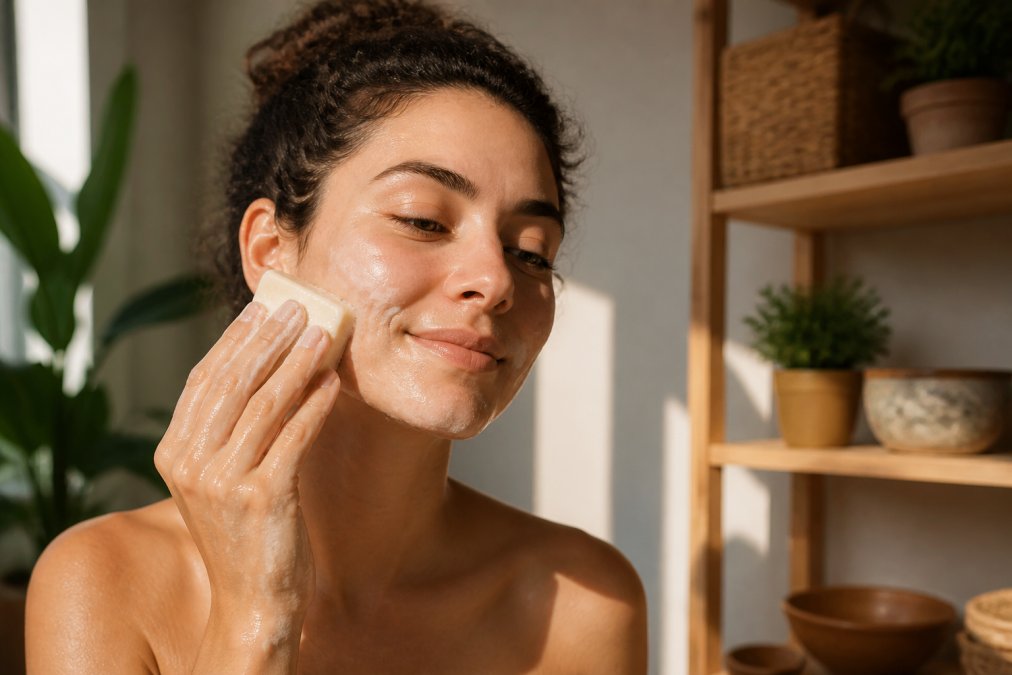
Step 1: Start with a Gentle Cleanser
Your cleanser is the foundation. Use it twice daily, morning and evening, to remove impurities without stripping your skin. Choose a formula that matches your skin type: charcoal clay for oily skin, rose clay for sensitive skin, or French green clay for a balanced everyday option.
Step 2: Add Hydration and Nourishment
After cleansing, your skin needs moisture. This is non-negotiable, even for oily skin types. Dehydrated skin produces excess oil to compensate, creating a frustrating cycle.
Step 3: Layer for Sensitive Skin
Build this routine over two weeks before adding anything else. Your skin needs time to adjust to new products. Once you're comfortable with cleanse-hydrate-protect, you can experiment with targeted treatments like serums or masks. But the foundation, a good cleanser, hydration, and sun protection, addresses many skin concerns.
Frequently Asked Questions
How can I tell if a skincare brand is truly cruelty-free?
Look for third-party certifications like Leaping Bunny, which verifies that a company doesn't test on animals at any stage of production. Check the brand's website for their animal testing policy and supply chain transparency. Avoid brands that claim to be cruelty-free but sell in countries where animal testing is required by law. Handcrafted, small-batch producers like those using traditional soap-making methods typically maintain stricter ethical standards than mass-market alternatives.
What ingredients should I look for in cruelty-free skincare for sensitive skin?
Choose products with plant-based ingredients like shea butter, aloe vera, sea moss, and botanical extracts. Avoid synthetic fragrances, parabens, sulfates, and phthalates, which commonly irritate sensitive skin. Look for ceramides and hyaluronic acid for barrier repair. Clay-based facial soaps like kaolin and bentonite are gentle cleansers. Test any new product on a small patch of skin first, even if labeled hypoallergenic or dermatologist-tested.
How do I build a simple cruelty-free skincare routine as a beginner?
Start with three steps: cleanse with a gentle facial soap, moisturize with a nourishing butter or oil, and use sunscreen during the day. A handcrafted facial soap designed for your skin type (oily, sensitive, or balanced) forms the foundation. Follow with a body butter or lightweight moisturizer to maintain hydration. Add exfoliation once or twice weekly with a sugar scrub. Keep it simple, more steps don't always mean better results, especially for beginners with reactive skin.
Are affordable cruelty-free skincare options really effective?
Yes. Handcrafted, small-batch products use higher concentrations of active ingredients like plant oils, butters, and botanical extracts. A single high-quality facial soap at $20 can last 4-6 weeks when used properly, making premium cruelty-free products comparable in price to drugstore brands over time.
What makes cruelty-free skincare different from vegan skincare?
Cruelty-free means no animal testing occurred during product development or ingredient sourcing. Vegan means the product contains no animal-derived ingredients like beeswax, lanolin, or carmine. A product can be cruelty-free but not vegan (if it contains honey or beeswax) or vegan but not cruelty-free. Many handcrafted skincare brands are both, they use plant-based ingredients like coconut oil, shea butter, and sea moss without animal testing, ensuring ethical sourcing at every stage.