

5 Skincare Ingredients Explained: A Guide to Reading Labels

Table of Contents
- Why Understanding Skincare Ingredients Matters
- 1. Parabens: Understanding Their Role in Cosmetics
- 2. Fragrance: What to Consider for Sensitive Skin
- 3. Sulfates: Choosing a Cleanser That Suits Your Skin
- 4. Formaldehyde-Releasing Preservatives: Checking for Known Allergens
- 5. Mineral Oil: Understanding Your Ingredient Preferences
- How to Read Skincare Labels Like a Pro
- Clean Beauty Standards: What They Actually Mean
- Frequently Asked Questions
Last Updated: October 1, 2026
Why Understanding Skincare Ingredients Matters
Reading skincare labels helps you understand a product’s ingredients and choose formulas that match your preferences. This guide explains five commonly discussed ingredients and ingredient groups, what they do, and what to consider when comparing products.
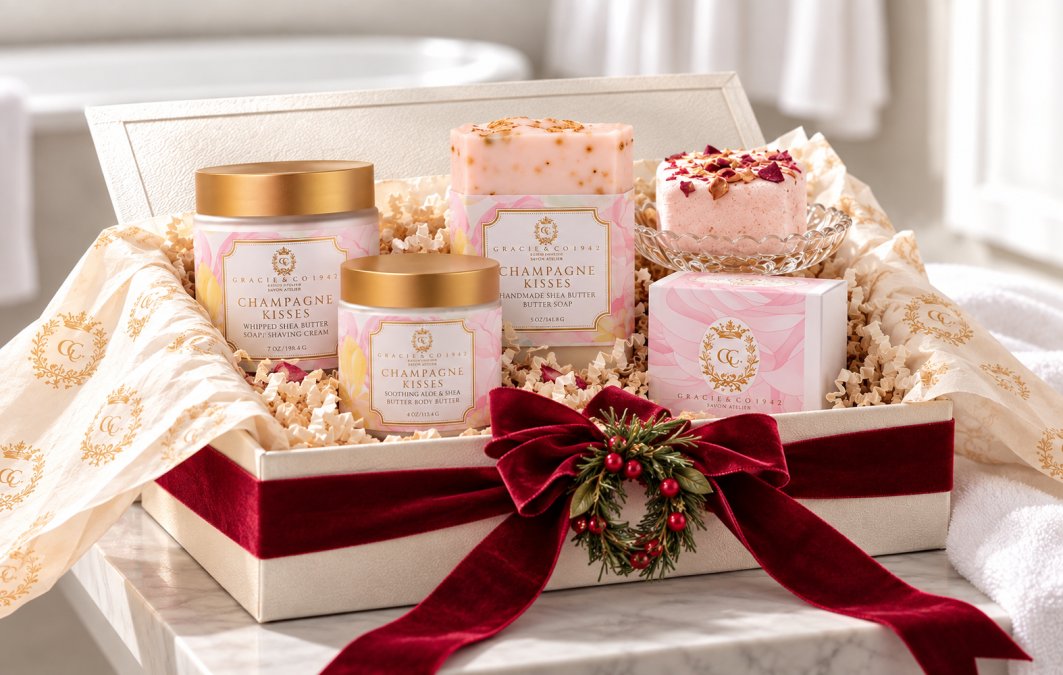
This guide from Gracie & Co. 1942 explores parabens, fragrance, sulfates, formaldehyde-releasing preservatives, and mineral oil. Understanding their roles can help you compare skincare products without relying on blanket ingredient warnings.
Below, you’ll learn how to recognize these ingredients on labels and consider your own preferences and known sensitivities when choosing products.
1. Parabens: Understanding Their Role in Cosmetics
Parabens are preservatives used in some cosmetics to help prevent harmful bacteria and mold from growing.
Common examples include methylparaben, propylparaben, butylparaben, and ethylparaben. An ingredient’s presence alone does not tell you whether the finished product will suit your skin.
If you prefer paraben-free products, check the complete ingredient list. Gracie & Co. 1942 makes its products without parabens.
How to Spot Parabens on a Label
Look for exact ingredient names such as methylparaben, propylparaben, butylparaben, and ethylparaben. Read the complete ingredient list when checking whether a product matches your preference for paraben-free skincare.
2. Fragrance: What to Consider for Sensitive Skin
“Fragrance” on an ingredient label can represent a blend of scent ingredients. The term alone does not tell you whether that blend contains phthalates. Gracie & Co 1942 contains phthalate-free fragrances in its fragranced products.
- Fragrance can cause irritation or allergic reaction in some people whether it come from essential oil or synthetic fragrance ingredients. If you have a known fragrance allergy or your skin reacts to scented products, consider fragrance-free options. phthalate-free does not mean fragrance-free.
Fragrance-free vs. Unscented: Understanding the label
A product labeled "unscented" may still contain masking fragrances to cover the smell of raw ingredients. "Fragrance-free" is the safer term, but even that is not guaranteed.
- "Unscented" can still contain fragrance
- "Fragrance-free" means no scent was added
- "Natural fragrance" is still a blend and can still irritate
“ If your skin reacts easily, consider fragrance-free products. Essential oils and synthetic fragrances can both cause irritation or allergic reactions in some people.
3. Sulfates: Choosing a Cleanser That Suits Your Skin
Sodium lauryl sulfate (SLS) and sodium laureth sulfate (SLES) are cleansing ingredients used in some shampoos and body washes. Traditional bar soap gets its cleansing action and lather from soap salts made when oils react with lye; it does not need SLS or SLES to foam.
How a cleanser feels on your skin depends on its complete formula, the concentration of its cleansing ingredients, and how you use it. Some people find certain sulfate-based cleansers drying or irritating, but sulfate-free products can also cause irritation. Choose a cleanser your skin tolerates rather than relying on a single label claim.
Gracie & Co. 1942’s Signature Artisan Soaps and PURE Natural Soap Collection are made without SLS or SLES. Explore each product’s ingredient list and scent options to choose a bar that fits your preferences.
4. Formaldehyde-Releasing Preservatives: Checking for Known Allergens
Some preservatives do not contain formaldehyde. Instead, they slowly break down over the life of the product and release small amounts of formaldehyde as they work. That is why they are called formaldehyde releasers, and it is why they are worth understanding rather than simply fearing.
Formaldehyde-releasing preservatives can cause allergic reactions in people sensitive to formaldehyde. If you have a diagnosed allergy, check ingredient labels and follow your dermatologist’s guidance. Preservatives help protect cosmetics from harmful bacteria and mold; their safety depends on the specific ingredient, concentration, and finished formula.
The Alias Cheat Sheet
Formaldehyde releasers almost never appear on a label under a name that contains the word "formaldehyde." These are the names to scan for:
- DMDM hydantoin
- Diazolidinyl urea
- Imidazolidinyl urea
- Quaternium-15
- Bronopol (2-bromo-2-nitropropane-1,3-diol)
- Methenamine
- Sodium hydroxymethylglycinate
Check the exact ingredient names rather than judging by parts of a word. For example, urea by itself is not the same ingredient as diazolidinyl urea or imidazolidinyl urea. If you have a diagnosed allergy, use the avoidance list provided by your dermatologist.
Why This Matters for Sensitive Skin
Redness, itching, or flaking can have several causes, so symptoms alone cannot identify a particular preservative as the problem. Stop using a product that causes a reaction. A dermatologist can help identify the cause and determine whether allergy patch testing is appropriate.
Small-batch makers who preserve naturally, or who choose preservative systems that do not rely on formaldehyde donors, sidestep this entire category. That transparency about what is inside, and why, is one of the clearest signals of a thoughtful formula.
5. Mineral Oil: Understanding Your Ingredient Preferences
Mineral oil is a petroleum-derived ingredient used in skincare. Highly refined mineral oil used in cosmetics should not be confused with untreated industrial oils.
You may prefer plant-based oils and butters, but that preference does not mean mineral oil is harmful or that plant-based ingredients suit every skin type.
Gracie & Co. 1942 uses ingredients such as rice bran oil, olive oil, and shea butter across its product range. Check each product’s ingredient list to find a formula that matches your preferences.
How to Read Skincare Labels Like a Pro
Cosmetic ingredients are generally listed in descending order by amount. Ingredients present at 1% or less may appear in any order after those above 1%, and color additives have separate ordering rules. The list does not reveal exact percentages, and ingredients near the end can still serve important functions.
Read the Whole Ingredient List
The first few ingredients can give clues about a product’s base, but they do not tell the whole story. Read the complete list, especially when checking for an ingredient you know you react to. An ingredient’s position alone does not reveal its exact amount or how well the finished product will suit your skin.
Decode the Aliases
Ingredient names can be unfamiliar. Check the exact names on the label, especially if you are avoiding a known allergen.
- Parabens: anything ending in "-paraben" (methylparaben, propylparaben, butylparaben, ethylparaben)
- Formaldehyde releasers: check exact names such as DMDM hydantoin, diazolidinyl urea, imidazolidinyl urea, and quaternium-15. Urea by itself is a different ingredient.
- Sulfates: sodium lauryl sulfate (SLS), sodium laureth sulfate (SLES), ammonium lauryl sulfate
- Phthalates: the words “fragrance” or “parfum” alone do not tell you whether a product contains phthalates. Check the brand’s product information if you prefer phthalate-free options.
- Mineral oil: may appear as mineral oil, paraffinum liquidum, or white mineral oil. Petrolatum is a related but different ingredient.
Match the Label to Your Skin Type
Your skin’s needs and any known allergies can help guide your choices. A single ingredient does not tell you how the complete formula will work for you.
Choose products your skin tolerates, introduce one new product at a time, and stop using anything that causes irritation. If reactions persist or you suspect an allergy, a dermatologist can help identify the cause.
Keep Track of Your Product Ingredients
Reading labels helps you compare products, understand your preferences, and check for ingredients you already know you need to avoid.
Clean Beauty Standards: What They Actually Mean
“Clean beauty” can mean different things to different brands. Look for clear ingredient lists and specific product claims so you can decide whether a formula matches your preferences.
Frequently Asked Questions
Which skincare ingredients should I avoid if I have sensitive skin?
Avoid ingredients you know you react to. Fragrance from essential oils or synthetic sources can cause reactions in some people, so consider fragrance-free options if scented products bother your skin. No label claim or ingredient count guarantees a gentle product. Stop using anything that causes irritation, and consult a dermatologist if reactions persist or you suspect an allergy.
Why is it important to read skincare ingredient labels?
Ingredient labels help you understand what a product contains, compare formulas, and check for ingredients you know you react to or prefer to avoid. Read the complete list alongside the product’s directions. Marketing terms such as “natural” or “clean” do not tell you whether a product will suit your skin.
Are synthetic fragrances harmful in skincare?
Synthetic fragrance is not automatically harmful. Both synthetic fragrances and essential oils can cause irritation or allergic reactions in some people. If scented products bother your skin or you have a known fragrance allergy, consider fragrance-free options. Gracie & Co. 1942 uses phthalate-free fragrances in its fragranced products, but phthalate-free does not mean fragrance-free.
What should I look for when choosing skincare products?
Look for a complete ingredient list, clear directions, and a formula that suits your skin and preferences. Oils and butters such as olive oil and shea butter may appeal to you, but natural ingredients and short ingredient lists do not guarantee a gentle product. Explore Gracie & Co. 1942’s product descriptions for ingredients and scent options.
Reading labels takes practice, and the five ingredients above are the best place to start. Gracie & Co. 1942 offers a simpler path: handcrafted soaps, shampoo and conditioner bars, and body care made without sulfates, parabens, or synthetic fillers. Each product is made in small batches with carefully selected ingredients, so you can skip the guesswork. Get started with Gracie & Co. 1942 and build a routine your skin can trust.