

Benefits of Botanical Skincare Oils: A Complete Guide

Table of Contents
- What Botanical Skincare Oils Actually Do for Your Skin
- How Botanical Oils Repair and Protect Your Skin Barrier
- The Benefits of Olive Oil in Skincare
- Non-Comedogenic Botanical Oils for Clear Skin
- How to Incorporate Facial Oils Into Your Skincare Routine
- Botanical Oils vs. Synthetic Skincare Ingredients
- Choosing the Right Botanical Oil for Your Skin Type
- Frequently Asked Questions
Last Updated: September 23, 2026
What Botanical Skincare Oils Actually Do for Your Skin
Botanical skincare oils function as emollients and occlusives: they soften skin while creating a protective barrier that prevents transepidermal water loss (moisture escaping into the air). At Gracie & Co. 1942, we've spent over 60 years understanding how these natural ingredients interact with skin biology.
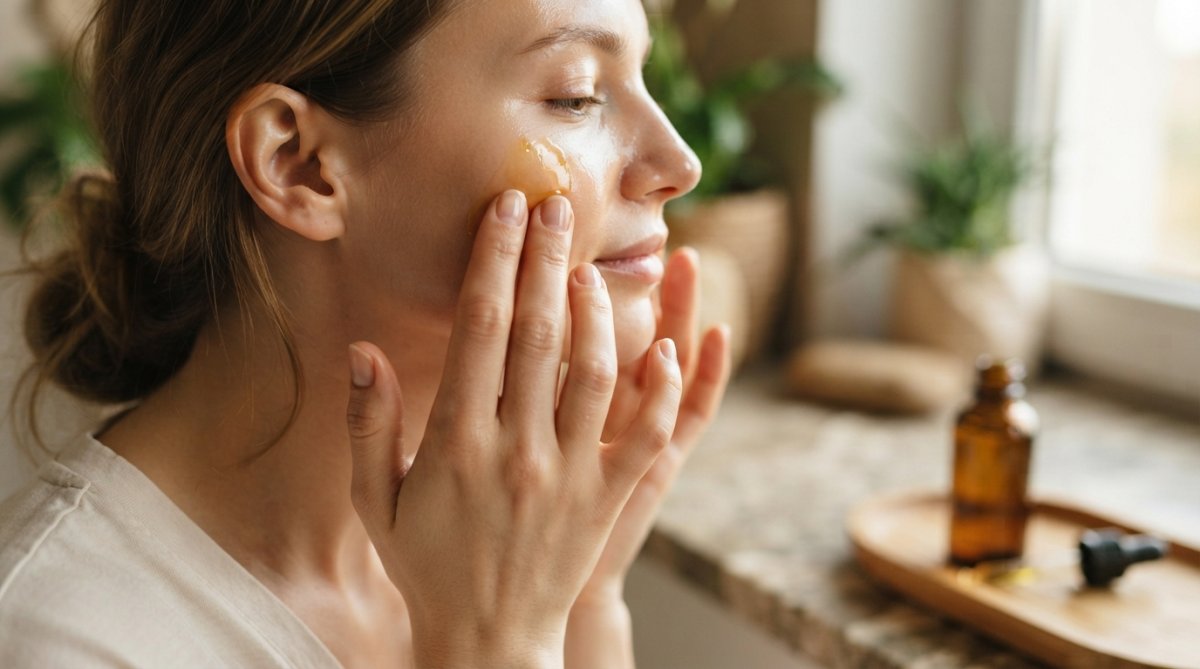
The lipid barrier is your skin's first line of defense. When compromised, skin becomes reactive, dry, and irritated. Botanical oils restore this barrier by replenishing fatty acids and phytonutrients, creating a lasting seal unlike water-based moisturizers. This makes them particularly effective for sensitive skin and conditions like eczema and psoriasis.
Different oils offer different benefits: some contain linoleic acid to strengthen the barrier, others are rich in polyphenols and antioxidants to fight free radical damage. Match the oil to your skin's actual needs, not trends.
How Botanical Oils Repair and Protect Your Skin Barrier
Your skin barrier is a complex system of lipids, proteins, and moisture that keeps irritants out and hydration in. When it breaks down, you experience sensitivity, inflammation, and accelerated aging. Botanical oils repair this system by restoring the lipid composition that holds skin cells together.
The most effective oils contain ceramides, cholesterol, and fatty acids in proportions similar to healthy skin. Jojoba oil closely mimics natural sebum, while argan oil delivers vitamin E and linoleic acid. Consistent application improves moisture retention within two to three weeks.
Barrier repair isn't instant, your skin needs consistent application to rebuild the lipid matrix. The real benefit emerges over time as you supply nutrients your skin needs to function properly.
The Benefits of Olive Oil in Skincare
Olive oil stands out for its nutrient density and proven track record. Rich in oleic acid, squalene, and polyphenols, it reduces inflammation, protects against oxidative stress, and strengthens the barrier. Benefits of olive oil in skincare include immediate hydration and long-term skin health improvements.
The polyphenols in olive oil neutralize free radicals that accelerate aging. The same protective compounds that keep skin healthy from the inside also work when applied topically.
Olive oil works well for mature skin and skin recovering from irritation. It rates 2 on the comedogenic scale, unlikely to clog pores for most people, though patch-testing is wise for acne-prone skin.
Our Gracie & Co. 1942 formulations use cold-pressed olive oil, which preserves bioactive compounds. Cold-pressing avoids heat that degrades polyphenols; refined olive oil has lost most skincare benefits.
Non-Comedogenic Botanical Oils for Clear Skin
For acne-prone skin, the right non-comedogenic botanical oils actually help clear skin by reducing inflammation and supporting natural sebum regulation. Most effective skincare oils rate 1-3 on the comedogenic scale (0-5 range).
Jojoba oil (rating 2) mimics sebum closely, signaling skin to produce less oil and reducing excess sebum that feeds acne bacteria. Rosehip oil (1-2) contains vitamin A, which accelerates cell turnover and prevents pore congestion.
Avoiding all oils during acne often backfires, skin compensates by producing more sebum. A lightweight, non-comedogenic oil helps skin find balance; use just a few drops.
| Oil | Comedogenic Rating | Best For | Key Benefit |
|---|---|---|---|
| Jojoba | 2 | Acne-prone, oily skin | Sebum regulation |
| Rosehip | 1-2 | Acne with hyperpigmentation | Vitamin A for cell turnover |
| Squalane | 1 | All skin types | Lightweight hydration |
| Grapeseed | 2 | Acne-prone, sensitive | Anti-inflammatory |
How to Incorporate Facial Oils Into Your Skincare Routine
Using botanical oils in your skincare routine effectively requires understanding how oils and water-based products interact on skin.
The Oil-Water Emulsion Problem
Botanical oils and water-based serums don't naturally mix. Applying serum over oil causes pilling; applying oil over wet serum prevents penetration. Two primary layering strategies solve this:
Strategy 1: Water-Based Products First (Damp Skin Method) Apply water-based serums, essences, and toners to clean, damp skin and let them absorb fully (30-60 seconds). Apply botanical oil as the final step to seal in hydration and create an occlusive barrier. Best for lightweight serums and non-oily skin.
Strategy 2: Oil Sandwich Method (For Maximum Penetration) Apply hydrating serum to damp skin, wait 15-20 seconds, then apply 2-3 drops of botanical oil while the serum is still tacky. Press both together. The oil helps the serum penetrate deeper while the serum prevents the oil from sitting on the surface, particularly effective for barrier repair.
Silk Radiance Organic Body Butter - 11 →
Application Technique Matters
Start with two to three drops for your entire face. Warm the oil between your palms for 3-5 seconds, then press gently into skin using fingertips rather than rubbing. Press upward, focusing on tight or dry areas.
For combination skin, apply oil only to dry areas (cheeks, eyes, jawline). Skip the T-zone if oily. Customize application based on daily needs and seasonal changes.
Timing and Frequency
For daytime, apply oil only if you have dry or sensitive skin, most oils leave shine that interferes with makeup. At night, oils work harder because skin's repair processes accelerate during sleep, making this when you'll see fastest results.
If new to facial oils, begin with two or three nights per week. Some experience brief congestion as skin rebalances oil production, typically resolving within one to two weeks. If irritation persists, the oil may not be compatible.
Botanical Oils vs. Synthetic Skincare Ingredients
Botanical oils contain hundreds of bioactive compounds, polyphenols, fatty acids, vitamins, minerals, working together to nourish skin. Synthetic ingredients are typically single molecules engineered for one specific concern, lacking the antioxidant protection found naturally in botanical oils.
Synthetic ingredients like niacinamide, hyaluronic acid, and peptides are highly effective. Botanicals' advantage is complexity and bioavailability, skin evolved to recognize plant nutrients. Many synthetics are well-established and stable.
The Stability and Oxidation Trade-Off
Botanical oils differ from synthetics in shelf life and stability. Synthetics resist degradation for years; botanical oils are vulnerable to oxidation, where oxygen, light, and heat break down beneficial compounds.
When a botanical oil oxidizes, it doesn't just lose potency; it can become irritating to skin.
How to Store Botanical Oils Properly
Keep oils in dark glass bottles. Plastic allows oxygen to permeate over time, and clear glass exposes the oil to light, both of which accelerate oxidation. Dark amber or cobalt glass bottles block UV light and create a barrier against oxygen.
Signs Your Oil Has Oxidized
Before applying any botanical oil, check for these indicators of oxidation:
- Rancid or musty smell. Fresh botanical oils have a mild, pleasant scent (or no scent if refined). A sharp, unpleasant smell signals oxidation.
- Darkening of color. If the oil has turned noticeably darker than when you first opened it, oxidation has begun.
- Cloudiness or separation. Some oils naturally separate slightly, but cloudiness or visible particles suggest degradation.
- Sticky or tacky texture. Oxidized oils may feel thicker or stickier than fresh oil.
Why This Matters for Your Skincare Investment
Botanical oils are often more expensive than synthetic alternatives because they're less stable and require more careful sourcing and handling. You're paying for complexity and bioactivity, but only if the oil is fresh. A bottle of oxidized botanical oil is essentially paying for an irritant. This is why sourcing from reputable brands that prioritize cold-pressing, dark glass packaging, and proper storage is non-negotiable.
Choosing the Right Botanical Oil for Your Skin Type
Your skin type determines which botanical oils will work best. Dry skin benefits most from heavier oils like argan, avocado, and marula oil, which deliver intense hydration and nourishment. Oily and acne-prone skin does better with lightweight oils like jojoba, squalane, and grapeseed oil that won't feel heavy or clog pores.
Frequently Asked Questions
What are the primary benefits of using botanical oils on the skin?
Botanical skincare oils deliver multiple benefits: they restore the lipid barrier through emollient and occlusive properties, reduce transepidermal water loss to lock in hydration, provide antioxidant protection against free radical damage, and deliver anti-inflammatory compounds that calm irritation. Oils rich in fatty acids like linoleic acid and oleic acid penetrate the skin's outer layers to nourish and repair, making them effective for addressing dryness, sensitivity, and premature aging signs.
Can botanical oils work for oily or acne-prone skin?
Yes, if you choose non-comedogenic oils. Lightweight oils like jojoba, squalane, and rosehip have low comedogenic ratings (0-2 on a scale of 0-5), meaning they won't clog pores. These oils actually help regulate sebum production and support the skin microbiome. The key is selecting oils that match your skin type and using them sparingly. Many people with oily skin find that botanical oils prevent their skin from overproducing sebum because they're getting adequate nourishment.
What's the difference between carrier oils and essential oils in skincare?
Carrier oils are plant-based oils with emollient and nourishing properties safe for direct skin application. Examples include olive oil, jojoba oil, and argan oil. Essential oils are concentrated plant extracts with potent bioactive compounds that must be diluted in a carrier oil before skin application. Essential oils are more volatile and can cause irritation if applied undiluted, while carrier oils provide the base for hydration and barrier repair. Both have skincare benefits, but they serve different purposes in a routine.
How long do botanical oils last once opened, and how should I store them?
Most botanical oils last 6-12 months once opened when stored properly. Keep them in a cool, dark place away from direct sunlight and heat, as light and temperature accelerate oxidation and degrade the oil's bioactive compounds like antioxidants and polyphenols. Store in dark glass bottles with tight-fitting lids to minimize air exposure. Signs of degradation include rancid smell, discoloration, or cloudiness. Proper storage preserves the oil's efficacy and prevents it from becoming irritating to skin.