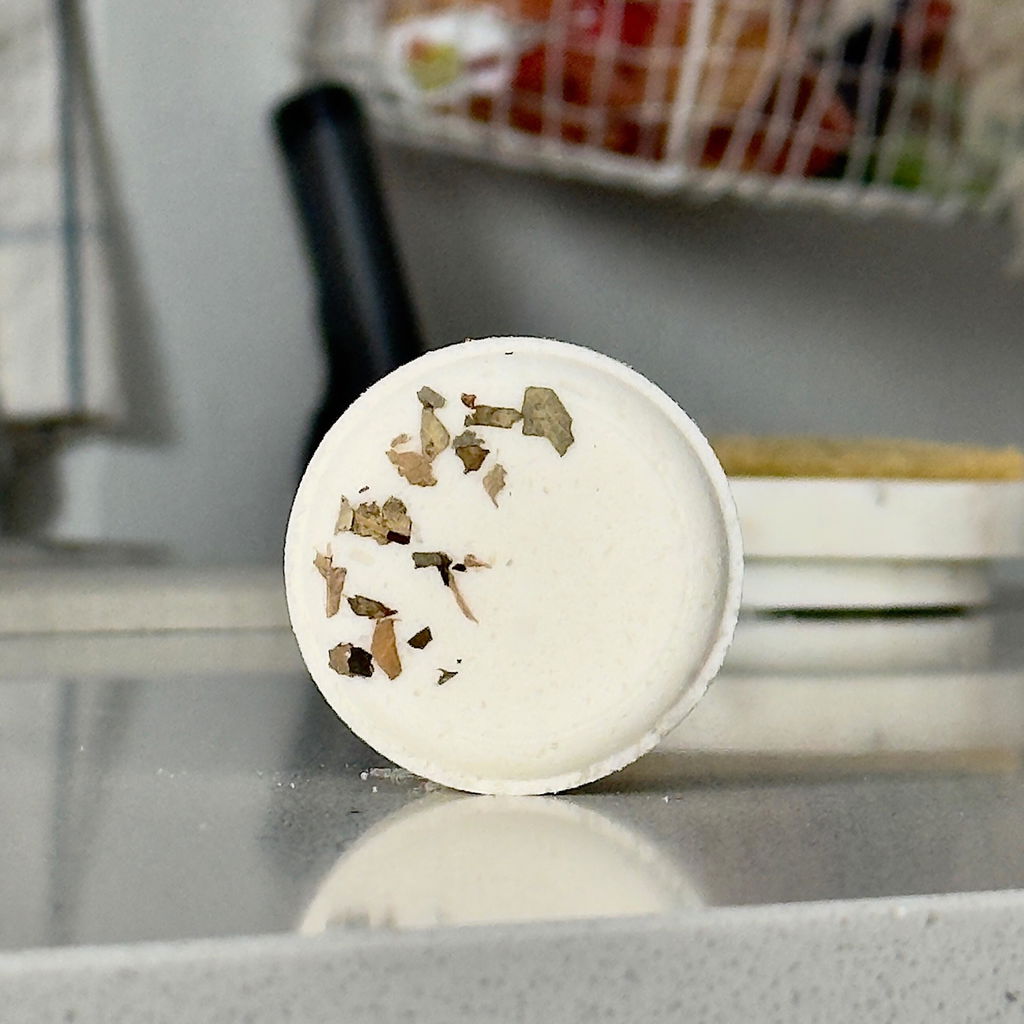
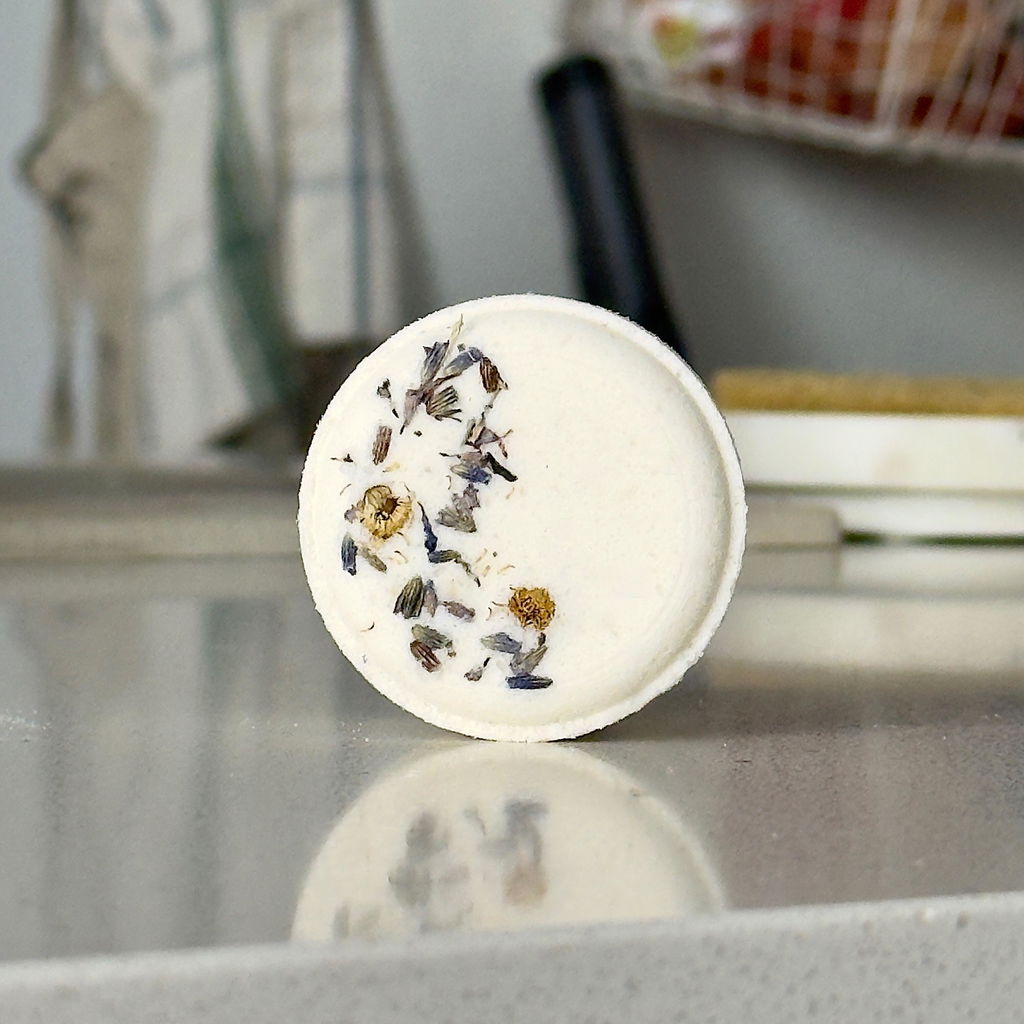
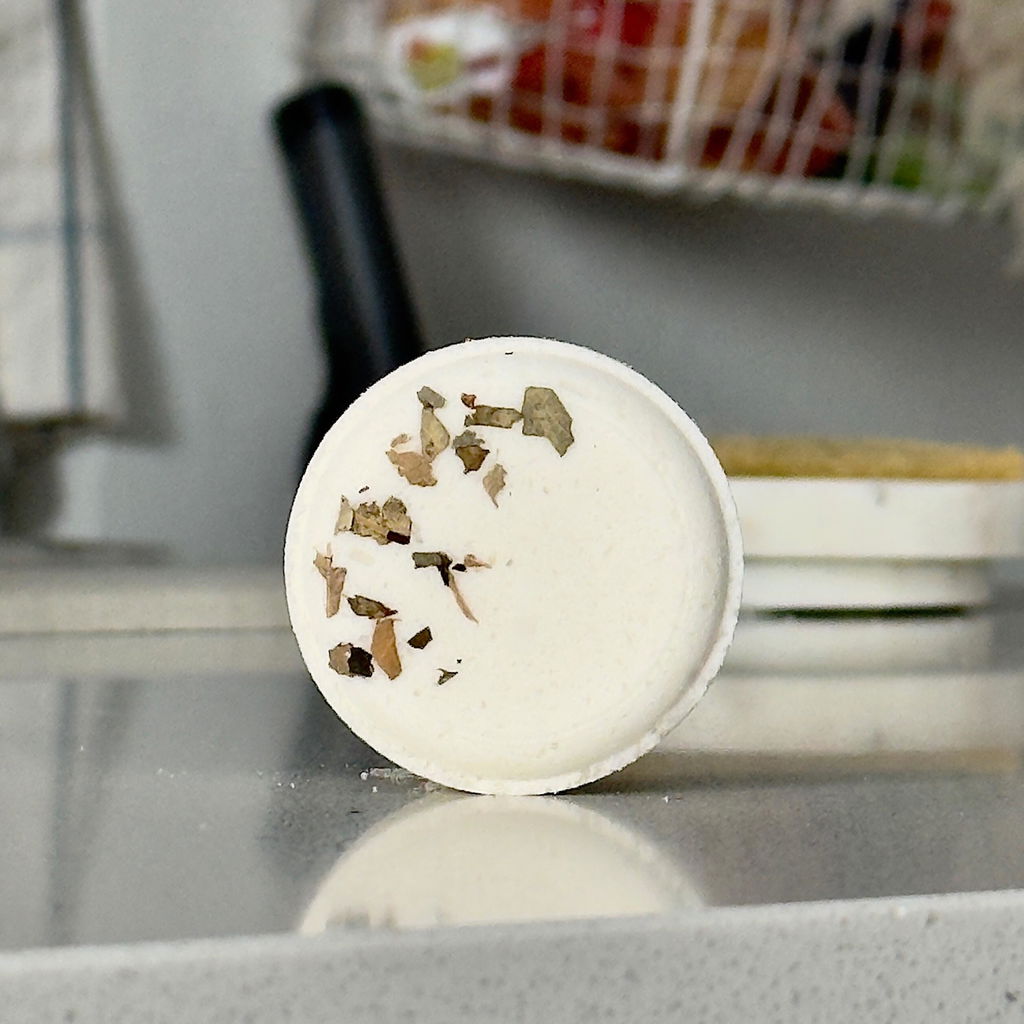
Best Cruelty-Free Soap for Eczema: Natural Relief

Best Cruelty-Free Soap for Eczema: Natural Relief

Table of Contents

Last Updated: September 19, 2026

What Makes a Soap Safe for Eczema

The best cruelty free soap for eczema is formulated with gentle, non-irritating ingredients that support your skin's natural barrier, avoiding harsh surfactants and synthetic additives that trigger inflammation and dryness.

Look for soaps with colloidal oatmeal, ceramides, and humectants to retain moisture and calm irritation without synthetic dyes or parabens.

Gracie & Co. 1942's handcrafted soaps use 100% natural ingredients like shea butter, coconut milk, and botanical extracts, never sulfates, parabens, or phthalates.

Manuka Honey Oats & Coconut Milk Shea Butter 7 oz Soap Bar

A common mistake is switching to "natural" soaps with fragrance oils or essential oils in high concentrations. The best approach is fragrance-free or lightly scented with therapeutic botanicals like lavender.

Pro Tip Handcrafted soaps are often formulated with care, preserving natural glycerin and avoiding harsh additives.

Ingredients to Avoid for Eczema

Sulfates strip natural oils and disrupt your skin barrier. Parabens, synthetic preservatives, and synthetic dyes trigger inflammatory responses and reactions.

Fragrance, synthetic or natural, is a leading culprit. Essential oils in high concentrations and phthalates (hidden under "fragrance") worsen skin reactivity.

Avoid SLS, SLES, triclosan, and mineral oil, they damage the skin barrier, trap bacteria, and worsen flare-ups.

The best cruelty free soap for eczema lists every ingredient transparently. If you see "fragrance" or "parfum" without specifics, that's a red flag.

Ingredient to Avoid Why It's Problematic What to Use Instead
Sulfates (SLS, SLES) Strip natural oils and damage skin barrier Gentle plant-based cleansers like coconut oil
Synthetic fragrance Triggers inflammation and irritation Fragrance-free or light botanical scents
Parabens Endocrine disruptors that worsen reactivity Natural preservatives or paraben-free formulas
Synthetic dyes Add color but cause reactions Natural colorants from botanicals or none
Triclosan Antimicrobial agent that's unnecessary and irritating Plain soap without antimicrobial claims

Top Cruelty-Free Soaps for Eczema Relief

Manuka Honey Oats & Coconut Milk Shea Butter (7 oz)

This full-size bar combines manuka honey (antimicrobial and soothing), finely ground oats (gentle exfoliation), and coconut milk with shea butter (deep hydration).

Manuka honey, colloidal oats, coconut milk, and shea butter are known for their calming, soothing, and moisturizing properties.

The bar creates a luxurious lather. At $16.00, it offers a premium experience.

Best For People with moderate to severe eczema who want a full-size bar that doubles as a gentle exfoliant and deep moisturizer. Best for daily use on body and face.

What works: The oats provide gentle mechanical exfoliation without irritation. Coconut milk creates a creamy lather. The formula is free from sulfates, parabens, and synthetic dyes.

What to watch: If you're extremely sensitive, patch test first, even natural ingredients can trigger reactions in some people.

Buy Manuka Honey Oats & Coconut Milk Shea Butter Soap

Manuka Honey & Oats Shea Butter (5 oz)

This 5 oz bar, made with manuka honey, oats, coconut milk, and shea butter, is a compact size.

At $12.00, this bar is perfect for travel and offers skin-soothing benefits.

The warm fragrance of honey, oats, and soft vanilla is comforting.

Pro Tip If you're new to handcrafted soaps, the 5 oz size offers an accessible option.

What works: Affordable entry price. Compact size for travel. Same soothing ingredients as the larger bar.

What to watch: The smaller size may require more frequent replacement than the 7 oz version if used daily on body and face.

Buy Manuka Honey & Oats Shea Butter Soap

Manuka honey & Oats Shea Butter Soap 5 oz

Lavender Oats & Sea Moss Soap

Bulgarian lavender delivers a calming, floral aroma.

Sea moss is a mineral-rich superfood that nourishes and replenishes skin. Colloidal oats gently exfoliate and soothe irritation and dryness.

The 5.3 oz bar is a generous size. The luxurious lather feels indulgent. This soap is vegan and cruelty-free.

At $12.00, it's priced the same as the 5 oz honey bar, and you're getting a slightly larger bar with unique ingredients.

Best For People whose eczema flares during stressful periods. Anyone who values aromatherapy as part of their skincare ritual. Best for those seeking a mineral-rich formula that supports skin barrier repair.

What works: Bulgarian lavender provides aromatherapeutic benefits. Sea moss adds minerals that nourish skin. The bar is a generous size.

Manuka Honey Oats & Coconut Milk Shea →

What to watch: Lavender is generally safe, but if you've had reactions to essential oils before, patch test first.

Buy Lavender Oats & Sea Moss Soap

Calm. Nourish. Restore Lavender Oats & Sea Moss Soap

How to Moisturize Sensitive Skin After Cleansing

The moment after you cleanse is critical. Your skin is still slightly damp. This is when a moisturizer can be applied to help lock in hydration.

Pat your skin dry gently, never rub. Rubbing irritates eczema-prone skin and can trigger itching. Apply a moisturizer while your skin is still slightly damp. This helps to retain moisture in your skin.

Look for moisturizers with humectants like glycerin or hyaluronic acid, which draw water into the skin. Pair these with emollients like shea butter or mango butter, which seal moisture in. Avoid heavy occlusive products immediately after cleansing.

The Soothing Aloe Hand & Body Butter from Gracie & Co. 1942 is designed for this exact purpose. Aloe vera calms inflammation while mango butter and shea butter lock in moisture. The fast-absorbing formula means you won't feel greasy.

Apply generously to damp skin and massage in circular motions. Focus on areas prone to dryness: elbows, knees, hands, and anywhere eczema flares. For facial eczema, use less product and pat gently rather than rubbing.

Close-up of hands gently applying creamy body butter to inner forearm skin immediately after washing, with water droplets still visible on skin surface

Key Ingredients That Soothe Eczema

Colloidal oatmeal is known for its soothing properties. It contains compounds that can help reduce inflammation and itching (The Efficacy of Colloidal Oatmeal Cream 1% as Add-on Therapy in the Management of Chronic...). Unlike regular oatmeal, colloidal oatmeal is finely milled for gentle application.

Ceramides are lipids that naturally exist in your skin barrier (the American Academy of Dermatology). Soaps and moisturizers with ceramides can help support this protective layer. Shea butter is rich in ceramides.

Manuka honey has properties that can be beneficial for skin. Research suggests manuka honey can support skin health.

Sea moss provides minerals that nourish and replenish skin. These minerals can support skin health.

Coconut oil and coconut milk are emollients. They contain lauric acid, which has mild antimicrobial properties.

Lavender essential oil is calming. It has mild antiseptic properties. The key is using pure lavender from reputable sources like Bulgarian lavender fields.

How to Patch Test Before Full Use

Before using any new soap on your entire body, patch test on a small area of skin. This simple step prevents full-body reactions that can trigger severe flare-ups.

Choose an inconspicuous area like your inner forearm or behind your ear. Wet the area with warm water and lather the soap for 10-15 seconds, just like you would during normal use. Rinse thoroughly and pat dry. Leave the area unwashed for 24 hours.

Watch for redness, itching, burning, or any sign of irritation. If you see a reaction, stop using the soap immediately. If there's no reaction after 24 hours, it's likely safe for broader use. However, do a second test on a larger area, maybe your inner arm or a small patch of your torso, before using it all over.

Some people may need a longer observation period. If you have severe eczema or have reacted to "natural" soaps before, consider waiting 48 hours between tests.

Watch Out Never ignore a patch test reaction. Even mild redness or itching means this soap isn't right for you. Using it anyway risks triggering a flare-up. It's better to find a different formula than to push through a bad reaction.

Verifying Cruelty-Free Certifications

Not all brands claiming to be "cruelty-free" actually are. Third-party certifications provide verification that a company doesn't test on animals and doesn't source from suppliers that do.

The Leaping Bunny logo is the gold standard for cruelty-free certification.

Conclusion


Finding the best cruelty free soap for eczema means prioritizing ingredients that support your skin barrier rather than strip it. Colloidal oatmeal, ceramides, manuka honey, and sea moss work together to calm inflammation, reduce itching, and restore moisture. Avoid sulfates, parabens, synthetic fragrances, and synthetic dyes that trigger flare-ups.

Frequently Asked Questions

What ingredients should I avoid in soap if I have eczema?

Avoid sulfates, parabens, synthetic dyes, phthalates, and harsh fragrance oils, these trigger inflammation and strip the skin barrier. Sodium lauryl sulfate and sodium laureth sulfate are common culprits that disrupt the natural lipid barrier. Look for fragrance-free or naturally scented options instead. Colloidal oatmeal, ceramides, and hypoallergenic formulations actively support skin repair, making them safer choices for eczema-prone skin.

Is there a difference between fragrance-free and unscented soap for eczema?

Yes, fragrance-free means no added scent compounds at all, while unscented may contain masking fragrances that hide chemical odors. For eczema, fragrance-free is the safer choice. However, soaps with pure essential oils like lavender can be used if your skin tolerates them. Always patch test first.

How can I verify if a soap brand is truly cruelty-free?

Look for third-party certifications like Leaping Bunny, PETA, or Choose Cruelty-Free logos. These verify that neither the brand nor its ingredient suppliers test on animals. Check the company's sourcing transparency, brands that openly share their ingredient sourcing and handcrafting process are typically more accountable. Gracie & Co. 1942 maintains cruelty-free practices through small-batch, in-house production with no animal testing.

What type of soap is best for eczema-prone skin?

Bar soaps with colloidal oatmeal, shea butter, ceramides, and emollients can be beneficial for eczema. Handcrafted, small-batch soaps are often made with fewer additives and preservatives. Look for formulations that respect your skin's natural barrier. Soaps with manuka honey and plant-based oils can support skin health. Always choose fragrance-free or naturally scented options and patch test before full-body use.

Are natural oils like shea butter and olive oil safe for eczema?

Yes, shea butter and olive oil are natural ingredients that can be beneficial for eczema. Shea butter is rich in ceramides. Olive oil provides emollient protection. Coconut oil can work for some, but test it first. These oils can be effective when combined with colloidal oatmeal or sea moss to enhance soothing and hydration.