

Best Eco Friendly Body Wash: 5 Clean Picks

Table of Contents
- What Makes a Body Wash Truly Eco Friendly?
- Natural Body Wash Ingredients to Avoid (and Why)
- Our Top Picks for Eco Friendly Body Wash
- Zero Waste Body Wash Brands: Bar vs. Refillable
- Benefits of Olive Oil in Skincare and Body Wash
- How to Choose an Eco Friendly Body Wash for Your Skin Type
- The Bottom Line: Clean Skin, Cleaner Planet
- Frequently Asked Questions
Last Updated: September 5, 2026
What Makes a Body Wash Truly Eco Friendly?
An eco friendly body wash is a cleanser formulated with biodegradable, plant-based ingredients and packaged to minimize environmental impact across its entire lifecycle. The label alone doesn't make a product sustainable; the real test lies in the formula, the packaging, and whether those materials actually get recycled.

Most conventional body washes are roughly 80 percent water, shipped in heavy plastic bottles that often aren't recyclable in practice. An eco friendly body wash flips that model: concentrated, plant-based formulas, no synthetic additives, and packaging that breaks down or gets reused. This guide from Gracie & Co. 1942 breaks down what to look for, what to avoid, and which clean picks deliver.
Natural Body Wash Ingredients to Avoid (and Why)
Shopping for an eco friendly body wash means reading labels like a detective. Several ingredients masquerade as harmless but carry real environmental and skin-health costs.
The biggest offenders to skip:
- Synthetic fragrances and phthalates - Often listed simply as "fragrance" or "parfum," these can contain hundreds of undisclosed chemicals. The FDA does not require companies to disclose individual fragrance components, and many are linked to skin irritation and hormone disruption. Phthalates, used to make scents last longer, are not easily broken down in wastewater treatment plants and have been detected in surface waters across the US. Look for products that list "fragrance-free" or disclose all essential oils by name.
- Sulfates (SLS/SLES) - Sodium lauryl sulfate and sodium laureth sulfate are harsh surfactants that strip your skin's natural moisture barrier. They are derived from petroleum and manufactured through energy-intensive processes. For sensitive skin, sulfates are a common trigger for contact dermatitis. Plant-based alternatives like coco-glucoside or decyl glucoside clean effectively without the same irritation potential.
- Parabens - Methylparaben, propylparaben, and butylparaben are preservatives that have been detected in marine environments. The EPA has flagged certain parabens as suspected endocrine disruptors. While the FDA allows them in cosmetics, the EU has restricted several types. Look for products preserved with phenoxyethanol, potassium sorbate, or naturally derived preservatives instead.
- Microplastics and synthetic polymers - While plastic microbeads were banned in rinse-off cosmetics by the Microbead-Free Waters Act of 2015, some liquid body washes still contain synthetic polymers like polyethylene glycol (PEG) compounds or acrylates copolymer. These do not biodegrade and contribute to microplastic pollution in waterways. Check for "polyethylene," "polypropylene," or "nylon" on ingredient lists.
- Petroleum-derived surfactants and emollients - Ingredients like mineral oil, petrolatum, and propylene glycol are byproducts of crude oil refining. They coat the skin but offer no nutritional value, and their production contributes to fossil fuel extraction. Plant-based alternatives like olive oil, coconut oil, and shea butter provide actual skin benefits.
- EDTA and phosphates - Disodium EDTA is a chelating agent used to stabilize formulas. It is poorly biodegradable and can mobilize heavy metals in wastewater. Phosphates, used in some cleansers, contribute to algal blooms in freshwater systems when they reach rivers and lakes.
What most guides miss is that "natural" on the front label doesn't guarantee a clean ingredient list. The FDA has no legal definition for "natural" in cosmetics, so you need to flip the bottle over and check the actual components.

The Environmental Working Group's Skin Deep database scores products on ingredient hazards. While not a regulatory standard, it provides a consistent reference point. Products with transparent ingredient disclosure and third-party certifications like USDA Organic or NSF/ANSI 305 are generally safer bets than those relying on vague "natural" claims.
Our Top Picks for Eco Friendly Body Wash
After evaluating formulas, packaging, and ingredient transparency, our top pick is Gracie & Co. 1942, a heritage soap-maker with over 60 years of family tradition behind every bar. Their products are handcrafted in small batches using 100 percent natural ingredients like olive oil, shea butter, and botanicals, with no sulfates, parabens, or synthetic fillers.

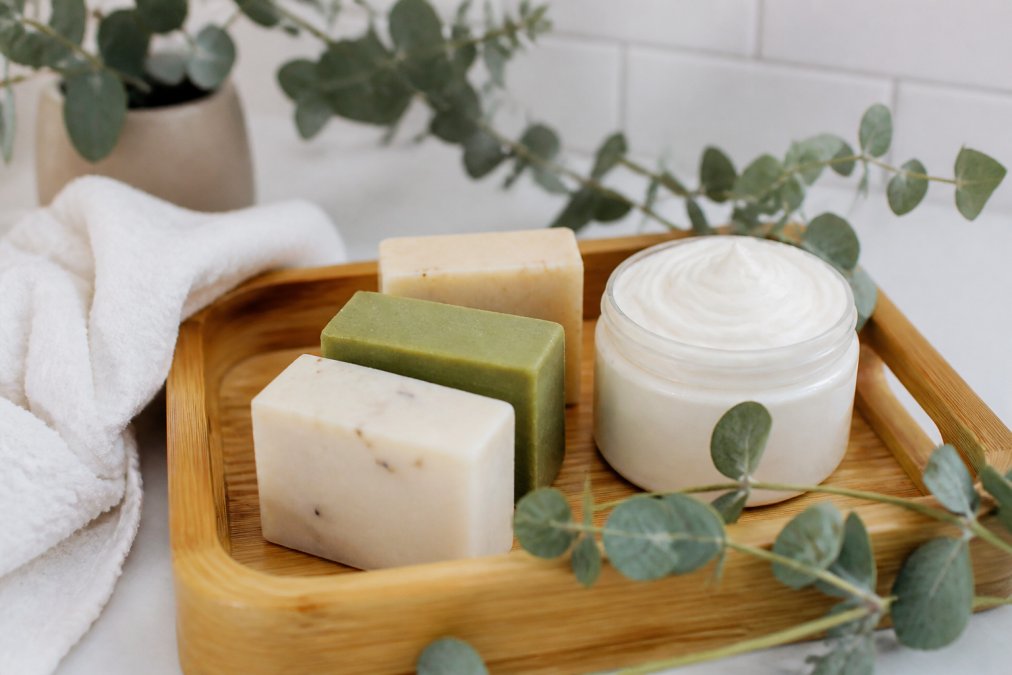
The standout product is the 2-in-1 Whipped Shea Butter Body Wash & Shaving Cream at $22.00. This cloud-like formula works as both a nourishing body wash and a shaving cream, making it a genuinely multi-purpose buy. The whipped texture incorporates air into rich shea butter, creating a lather that rinses clean without leaving an oily residue. It comes in a reusable jar with nine scent options, from Pink Peony to Sea Salt Agave.
For bar soap lovers, the Sea Salt Agave Shea Butter Soap at $12.00 offers gentle exfoliation from natural sea salt minerals while shea butter deep-hydrates. The 5.3 oz bar is hand-cut, biodegradable, and packaged entirely plastic-free. A larger 7 oz version at $13.00 extends the life of each bar.
The Champagne Kisses Shea Butter Soap, their number one best seller at $15.00, pairs a sophisticated sparkling fragrance with rich shea butter for a bar that eliminates dryness while leaving a long-lasting scent. All products are vegan, cruelty-free, and free from parabens and phthalates.
| Product | Price | Format | Best For | Eco Credentials |
|---|---|---|---|---|
| 2-in-1 Whipped Shea Butter Body Wash | $22.00 | Whipped jar, 8 oz | Dry skin, shaving | Reusable jar, vegan, paraben-free |
| Sea Salt Agave Soap | $12.00-$13.00 | Bar, 5.3-7 oz | Gentle exfoliation | Biodegradable, plastic-free |
| Champagne Kisses Soap | $12.00-$15.00 | Bar, 5-7 oz | Dry skin, luxury scent | Biodegradable, plastic-free |
Zero Waste Body Wash Brands: Bar vs. Refillable
The zero waste body wash conversation comes down to a simple question: bar soap or refillable liquid? Each approach has genuine trade-offs, but most comparisons stop at packaging weight. Two factors rarely discussed deserve equal attention: what happens to your empty bottle after you toss it in the bin, and how much water was shipped just to make your cleanser liquid.
Bar soap is the clear winner for packaging waste. A single 5.3 oz bar from Gracie & Co. 1942 can help reduce plastic waste compared to liquid body wash bottles. Bars are also more concentrated, meaning less water shipped across the country, which cuts the carbon footprint of transportation significantly.
Refillable systems reduce single-use plastic but still depend on the consumer actually returning or reusing containers. The reality is sobering: according to the EPA, only about 9 percent of all plastics generated in the US are actually recycled. The chasing arrows symbol indicates resin type, not recyclability, many municipal programs only accept #1 (PET) and #2 (HDPE). Body wash bottles made from #5 polypropylene are increasingly accepted, but contamination from residual product and pumps often sends entire batches to landfill.
A reusable jar that stays in your bathroom for months is more reliably sustainable than a bottle you hope gets recycled. When you do choose liquid, opt for brands that offer refill stations or concentrate refills you mix with water at home.
Liquid body washes are typically 70 to 90 percent water by weight. A standard 16 oz bottle contains roughly 12 to 14 ounces of water that was treated, transported, and packaged. Bar soaps use a fraction of that water in manufacturing.
A practical test: check your municipality's website for accepted resin codes. If your bottle is #3 (PVC) or #7 (mixed plastics), it is almost certainly going to landfill regardless of what the label claims. When in doubt, choose bar soap or a refillable glass jar system, glass is infinitely recyclable and does not degrade in quality.
For consumers who prefer liquid formats, the emerging refill economy offers a middle ground. Some US retailers now stock bulk body wash dispensers where you refill your own container. The key question to ask any brand is not "is your packaging recyclable?" but "what percentage actually gets recycled in practice?"
Benefits of Olive Oil in Skincare and Body Wash
Olive oil has been used in skincare for thousands of years, and for good reason. Its benefits stem from a rich profile of antioxidants, vitamins, and fatty acids that closely mirror your skin's own natural oils.
Olive oil is packed with squalene, a compound that mimics your skin's sebum and absorbs easily without clogging pores. It also delivers vitamin E, a powerful antioxidant that neutralizes the free radicals responsible for premature aging. When used in soap, olive oil creates a mild, creamy lather that cleanses without stripping the skin's natural moisture barrier.
For an eco friendly body wash, olive oil offers a sustainability bonus: olive trees are drought-resistant, require minimal irrigation compared to many crops, and support biodiversity in Mediterranean regions. Choosing olive oil-based products supports sustainable agriculture practices that maintain soil health and reduce water consumption.
Gracie & Co. 1942 builds its formulas around olive oil, combining it with shea butter and botanical extracts for a cleanser that leaves skin soft rather than tight. This matters most for anyone with dry or sensitive skin who has found that conventional body washes leave them feeling parched.
How to Choose an Eco Friendly Body Wash for Your Skin Type
Matching an eco friendly body wash to your skin type prevents the most common complaint we hear: "I tried a natural product and it dried me out." That reaction usually comes from a mismatch between the formula and the skin.
For dry or winter-prone skin, seek out shea butter and olive oil as the first ingredients. These provide the moisturizing properties your skin needs without requiring a separate lotion step. The whipped shea butter formula is ideal here, as its non-greasy formula rinses clean while leaving hydration behind.
For sensitive or easily irritated skin, look for fragrance-free or essential-oil-only options with soothing additions like colloidal oats. The Manuka Honey Oats & Coconut Milk bar at $15.00 combines finely ground oats for gentle exfoliation with ingredients that can help calm redness. Oat-based formulas are often recommended for sensitive skin and can help restore the skin barrier.
For oily skin, don't avoid moisture entirely. A pH-balanced formula with olive oil cleanses without triggering the overproduction of sebum that happens when skin is stripped too aggressively.
The Bottom Line: Clean Skin, Cleaner Planet
Choosing an eco friendly body wash isn't about finding one perfect product. Every wash has a footprint, and small choices compound into meaningful change.
Bar soap remains the most sustainable format available, and handcrafted bars with transparent ingredient lists offer the best combination of skin health and environmental responsibility. When you do need a liquid option, choose concentrated formulas in reusable containers over water-heavy bottles destined for the recycling bin.
The cleanest approach is to buy less, choose better, and support makers who prioritize biodegradable ingredients and honest packaging. Gracie & Co. 1942 offers handcrafted small batches of vegan, cruelty-free products that nourish your skin without compromising the planet.
For most people, the switch starts with one bar. Replace your current body wash with a handcrafted shea butter soap, keep it on a draining dish, and notice how your skin responds to a formula free from sulfates and synthetic additives. When you're ready for a liquid option, the 2-in-1 Whipped Shea Butter Body Wash delivers spa-level care in a reusable jar.
The shift to truly sustainable cleansing doesn't require perfection. It requires paying attention to what you put on your skin and what you leave behind. EPA guidelines on sustainable personal care and FDA regulation of cosmetics ingredients offer additional guidance for verifying product claims.
Get started with Gracie & Co. 1942 and experience the difference of a body wash that cleans your skin and respects the planet.
Frequently Asked Questions
What is the healthiest natural body wash?
A natural body wash that is free from sulfates, parabens, phthalates, and synthetic fragrances, and instead uses plant-based ingredients like olive oil, shea butter, and botanical extracts, can be a good choice. Look for products that are pH-balanced and non-toxic to protect your skin barrier. For sensitive skin, choose formulas with soothing ingredients such as colloidal oats or aloe. Our whipped shea butter body wash is a great example, as it's vegan, cruelty-free, and made with natural emollients that hydrate without stripping your skin.
How do I know if a body wash is truly eco-friendly?
Check the packaging and the ingredient list. A truly eco-friendly body wash will use biodegradable ingredients, avoid microplastics, and come in zero-waste packaging like plastic-free bars or refillable containers. Look for certifications like cruelty-free and vegan, and research whether the brand uses post-consumer recycled plastic or sustainable sourcing. Be wary of vague claims like 'natural' without proof. Our soap bars are biodegradable and come in plastic-free packaging, making it easy to verify their eco-friendly credentials.
What are the benefits of using handcrafted, small-batch body wash?
Handcrafted, small-batch body washes are made in limited quantities with attention to quality and ingredient integrity. This often means fresher, more effective formulas that use higher concentrations of nourishing botanicals like shea butter and olive oil. Small-batch production also supports sustainable practices, reduces waste, and avoids the harsh chemicals commonly found in mass-produced options. For sensitive skin, these gentle, non-toxic formulas are less likely to cause irritation, and they often come in eco-friendly packaging, aligning with a zero-waste lifestyle.
Is bar soap or liquid body wash more eco-friendly?
Bar soap is generally more eco-friendly than liquid body wash because it requires less packaging and has a lower carbon footprint during shipping due to its lighter weight. Bars also last longer, reducing the frequency of purchase. However, some liquid body washes now offer refillable options that reduce plastic waste. For the most sustainable choice, look for zero-waste brands that use compostable or plastic-free packaging. Our shea butter soap bars are a great example, offering a long-lasting, plastic-free cleanse that's gentle on sensitive skin.