Best Ingredient for Dry Skin: Shea Butter Soap

Last Updated: October 23, 2026
Quick Summary
Shea butter is the best ingredient for dry skin because its fatty acids and vitamins A and E help skin hold on to moisture instead of losing it. Choose a shea butter soap that lists shea butter early on the label, is sulfate-free, and is made by cold process in small batches.
- Ingredients are listed by weight, so shea butter should appear early on the label, not last.
- Cold process soap keeps the natural glycerin in the bar, which helps skin hold water.
- Apply moisturizer within a few minutes of washing, while skin is still damp.
- Patch test a new bar on your inner forearm and check it at 24 and 48 to 72 hours.
- Every Gracie & Co. 1942 bar has shea butter, coconut milk and kaolin clay.
Table of Contents
- Why Shea Butter Is the Best Ingredient for Dry Skin
- Shea Butter for Dry Skin: What to Look for on a Label
- The Best Soap for Dry Skin Is Made, Not Manufactured
- Ingredients to Avoid for Dry Skin
- How to Moisturize Dry Skin: A Simple Order That Works
- Desert Air, Winter Air: Why Dry Skin Needs More in Dry Months
- Our Tip
- Frequently Asked Questions
Why Shea Butter Is the Best Ingredient for Dry Skin
If you ask me what the best ingredient for dry skin is, I'll tell you straight: shea butter. Not because it's trendy, but because it works.
At Gracie & Co. 1942, shea butter is the heart of every bar we make.
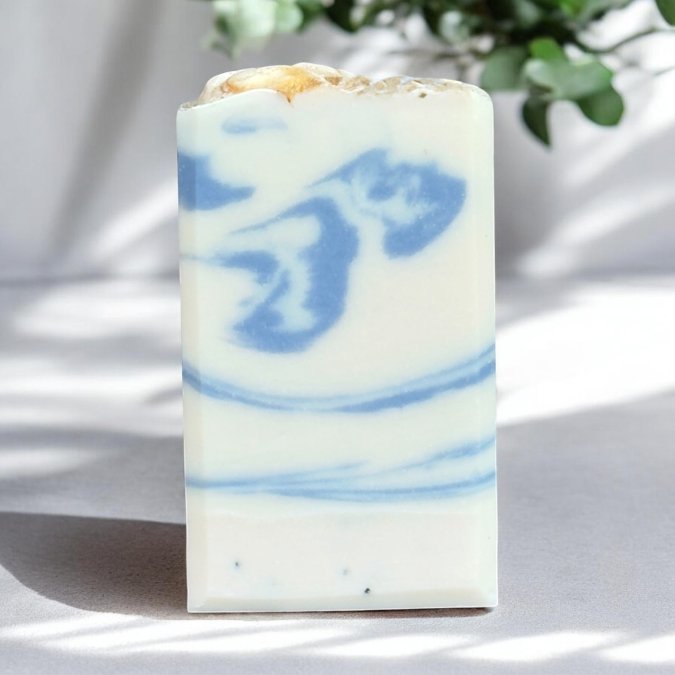
What Shea Butter Actually Does for Dry Skin
Dry skin is usually skin that has lost water. First, it forms a soft layer that slows water from escaping. Second, its fatty acids sink in and leave skin feeling smooth instead of tight.
That's the whole trick. No miracle claims, no overnight cure. If you want more ideas, here are five easy ways to use shea butter from head to toe.
We put shea butter in every bar alongside coconut milk and kaolin clay. The shea butter holds moisture in. The coconut milk gives a rich, creamy lather.
Shea Butter for Dry Skin: What to Look for on a Label
A label tells you a lot if you know what to read. Here's what I check, in order:
- Shea butter listed early. It should be one of the main ingredients, not a token sprinkle at the end. Ingredients are listed by weight, so a bar with shea butter listed last has very little of it.
- Sulfate-free. Sulfates clean well but can strip skin's natural oils. Our soaps are sulfate-free for that reason.
- No parabens. We don't use them, and I'd rather not see them in anything I wash with.
- Phthalate-free fragrance. Ours are phthalate-free. The PURE collection uses essential oils only.
- A short, readable list. If you can't pronounce half of it, put it back.
A bar that says "shea butter soap" but lists it near the bottom is mostly something else. Read the label like you mean it.
Natural Doesn't Mean Risk-Free
Here's the part most label guides skip. "Natural" is not the same as "gentle." Essential oils, botanical extracts, and even clay can bother reactive skin. Lavender and citrus oils are common culprits. So is over-cleansing with a bar that smells wonderful but strips you dry.
I say this as someone who sells soap: a good ingredient can still be the wrong ingredient for your skin. That's not a failure of the product. It's just how skin works.
Patch Test Before You Commit
Before you use a new bar all over, do a patch test. It takes a few days and saves a lot of grief:
- Wash a small area on your inner forearm with the bar, using warm water.
- Pat dry and leave it alone. Don't apply anything else to that spot.
- Check it at 24 hours and again at 48 to 72 hours.
- Watch for redness, itching, stinging, or a rash.
If nothing happens, you're likely fine to use it normally. If you react, stop using it. A reaction that spreads, blisters, or lasts more than a few days is worth a call to your doctor.
Realistic Expectations
Shea butter soap helps dry skin feel softer and less tight. It does not cure eczema, rosacea, or any skin condition, and it won't fix dryness caused by something medical. If your skin is cracked, bleeding, painful, or not improving after a couple of weeks of gentle care, see a doctor. Soap is a good daily habit, not a treatment.
Here is what I check on a label, in the order I check it.
What to check |
What to look for |
Why it matters |
|---|---|---|
Shea butter |
Listed early, not last |
Ingredients are listed by weight |
Sulfates |
Sulfate-free |
Sulfates can strip skin's natural oils |
Parabens |
None |
We don't use them |
Fragrance |
Phthalate-free |
PURE collection uses essential oils only |
Ingredient list |
Short and readable |
If you can't pronounce half of it, put it back |
The Best Soap for Dry Skin Is Made, Not Manufactured
The best soap for dry skin is cold process soap made in small batches, because the process keeps the natural glycerin in the bar.
Every bar we make is cold process, made by hand in small batches, and cured for weeks. Curing lets extra water evaporate so the bar lasts longer and feels milder. It's slow work.
Our Signature bars are 7 oz, hand-piped one at a time. They take real effort and they sell out every time. Our everyday bars are about 5 oz.
Coconut Milk and Kaolin Clay: The Two Ingredients That Work With Shea
Shea butter doesn't work alone. Coconut milk makes a thick, velvety lather that feels gentle on dry, sensitive skin. Kaolin clay is the gentlest of the clays. It helps the bar glide like silk and cleanses softly, without that tight, squeaky feeling afterward.
Ultimate Moisture Solid Shea Butter Lotion Bar →
Three ingredients, one job: clean skin that still feels like skin.
Ingredients to Avoid for Dry Skin
Some ingredients to avoid for dry skin are hiding in plain sight. Watch for:
- Sulfates like sodium lauryl sulfate, which can strip oils.
- Parabens, which we skip completely.
- Alcohol high in an ingredient list, which can leave skin feeling tight.
- Heavy synthetic fragrance in a cheap bar, which can bother reactive skin.
- "Deodorant" or "antibacterial" bars made for odor, not moisture.
How to Moisturize Dry Skin: A Simple Order That Works
How to moisturize dry skin comes down to timing. Apply moisture while skin is still damp, within a few minutes of washing. Damp skin absorbs better than dry skin. For the full method, read how to layer bath and body products the right way.
Here's the order I use:
- Wash with a gentle shea butter soap in warm water.
- Pat dry, leaving skin a little damp.
- Apply a body butter or lotion bar right away.
- Give it a minute to settle before dressing.
- Reapply to hands after every wash.
Desert Air, Winter Air: Why Dry Skin Needs More in Dry Months
Dry air pulls water from skin. That's the plain truth of it. When the air around you holds less moisture, water leaves your skin faster, and you feel tight, flaky, and rough. Here in the desert, that's most of the year. Winter heating makes it worse indoors, because heated air is dry air. For the full picture, see our guide to dry skin in Arizona.
So dry months need more moisture, not less. That sounds backward to some folks, who wash more when they feel dry. It's usually the opposite that helps.
What Actually Dries You Out
A few common triggers do most of the damage:
- Hot showers. They feel great and strip oils fast. Warm water is kinder.
- Long soaks. Ten minutes is plenty. Longer pulls moisture out.
- Harsh cleansers. Sulfates and deodorant bars clean hard and leave skin tight.
- Low humidity indoors. Heaters and air conditioning both dry the air.
- Skipping moisturizer. The biggest one. Damp skin needs something on it within minutes.
A Simple Way to Track Your Triggers
You don't need an app. Keep a small notebook or a note on your phone for two weeks. Each day, jot down three things: how your skin felt (tight, flaky, fine), the weather or indoor heat, and anything new you used. Patterns show up fast. Most people find their worst days line up with hot showers, a new product, or a cold snap.
Once you see the pattern, you can fix it. That's more useful than guessing.
What Helps in Dry Months
- Run a humidifier in the room where you sleep.
- Shorten hot showers and turn the temperature down.
- Keep a lotion bar by the sink and use it after every wash.
- Switch to a richer body butter in winter.
- Moisturize while skin is still damp, within a few minutes of washing.
Our Tip
Keep a solid lotion bar where you wash your hands. Our Ultimate Moisture Solid Shea Butter Lotion Bar is made for exactly that: glide it on, massage it in, and go.

If you’re ready for a bar that treats dry skin kindly, start with one of our shea butter soaps. Every bar has shea butter, coconut milk and kaolin clay.
Dry skin asks for patience and the right ingredients, not a shelf full of products.
A little about us: I’m Gracie, a third-generation soap maker. My grandmother started our family’s soap making, and I’m proud to carry it on. We’re a small, faith-centered family business in Waddell, Arizona, and we make everything by hand in small batches.
Frequently Asked Questions
What is the best ingredient for dry skin?
Shea butter is the ingredient I reach for most. It is rich in fatty acids and vitamins A and E, and it helps skin hold on to moisture instead of losing it. That is why we put shea butter in every bar of shea butter soap we make. You will also see good results from coconut milk, which gives a creamy lather, and kaolin clay, which cleans softly without leaving skin tight. Look for those three near the top of an ingredient list.
Is shea butter good for dry skin?
Yes. Shea butter is a thick, nourishing butter from the shea nut, and it helps skin feel soft and cared for long after you rinse. It works best when it stays on the skin, so a shea butter soap plus a body butter or lotion bar afterward gives you the most benefit. If your skin is cracked, bleeding or very irritated, talk to a doctor before adding new products.
What ingredients should I avoid if I have sensitive, dry skin?
Watch for sulfates, which can strip your skin's natural oils and leave it feeling tight. We do not use sulfates or parabens in our soap. Strong synthetic fragrances can also bother reactive skin, so patch test anything new on a small area first. If a label lists alcohol high up, be cautious. Simple is better: short ingredient lists with shea butter, coconut milk and gentle clay tend to treat dry skin kindly.
Can soap make dry skin worse?
It can, yes. Harsh bar soaps and sulfate-heavy body washes can rinse away the oils your skin needs, and hot water makes it worse. A sulfate-free shea butter soap cleanses without stripping, especially when you keep showers warm rather than hot and moisturize within a few minutes of toweling off. If your skin still feels tight and itchy after switching, see a doctor to rule out a skin condition.
How can I keep my skin from feeling dry after washing?
Pat your skin dry instead of rubbing, then apply a moisturizer while your skin is still a little damp. That locks in water. Our Ultimate Moisture Solid Shea Butter Lotion Bar ($20.00) glides on dry spots like elbows and heels and is easy to keep in a bag. Use a draining soap dish so your bar lasts, and keep shower water warm, not hot. Small habits add up fast for dry skin.