Best Natural Soap for Sensitive Skin: 3 Picks That Work
Table of Contents
- Why Natural Soap Beats Commercial Bars for Sensitive Skin
- Best Natural Soap for Sensitive Skin: Quick Comparison
- How We Selected These Soaps: Dermatologist-Backed Criteria
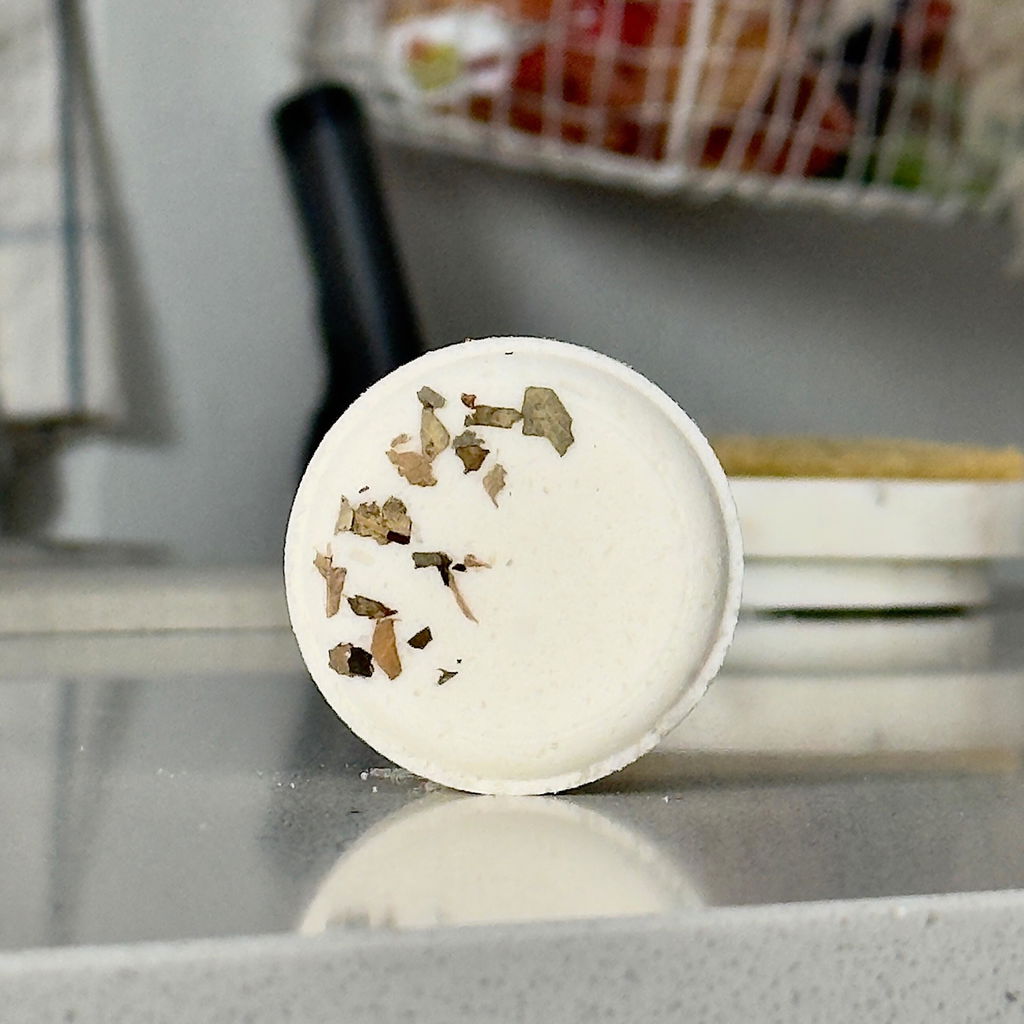
- 1. Manuka Honey Oats & Coconut Milk Shea Butter Soap
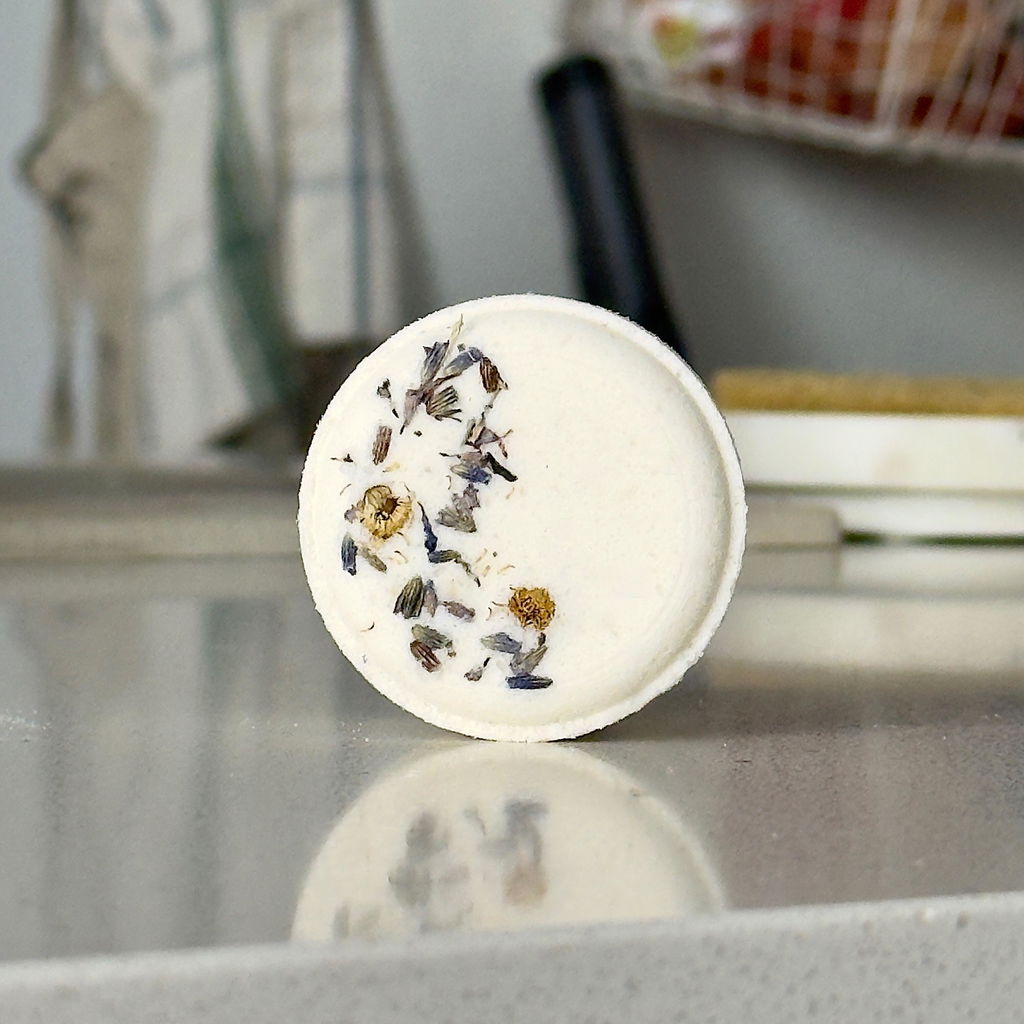
- 2. Calm. Nourish. Restore. Lavender Oats & Sea Moss Soap
- 3. Rose French Pink Clay & Sea Moss Facial Soap
- Best Natural Ingredients for Sensitive Skin (and What to Avoid)
- How to Moisturize Sensitive Skin After Washing
- Frequently Asked Questions
Last Updated: September 8, 2026
Why Natural Soap Beats Commercial Bars for Sensitive Skin
For anyone with reactive skin, the difference between a commercial beauty bar and handcrafted natural soap isn't subtle. The best natural soap for sensitive skin relies on plant oils and butters that cleanse gently, while most commercial bars depend on harsh synthetic surfactants that can leave skin feeling tight, itchy, and inflamed.
At Gracie & Co. 1942, we've spent over 60 years handcrafting soaps, and the most common refrain we hear is, "My skin reacts to everything." The trigger is often the detergent base in commercial bars, not cleansing itself. Cold-process natural soap retains glycerin, a humectant that draws moisture into the skin, whereas commercial manufacturers often extract glycerin to sell separately.

Commercial bars also rely on synthetic chemicals like sulfates and parabens to create lather and extend shelf life. These ingredients can disrupt the skin barrier and worsen conditions like eczema and dermatitis. Natural alternatives use saponification, the reaction between oils and lye, to create a gentle cleansing bar without those additives.
Best Natural Soap for Sensitive Skin: Quick Comparison
If you're short on time, here's the summary of our top three picks.
| Soap | Price | Key Ingredients | Best For |
|---|---|---|---|
| Manuka Honey Oats & Coconut Milk | $15.00 | Oats, shea butter, coconut milk | Gentle daily exfoliation and deep hydration |
| Calm. Nourish. Restore. Lavender Oats & Sea Moss | $12.00 | Colloidal oats, sea moss, lavender oil | Calming sensitive skin and evening rituals |
| Rose French Pink Clay & Sea Moss | $20.00 | Pink clay, sea moss, rose extract | Facial cleansing for dry, mature, reactive skin |
The Manuka Honey Oats & Coconut Milk bar is our top overall pick for body use, offering a balance of exfoliation and moisture. The Lavender Oats & Sea Moss bar is a close second for those who want aromatherapeutic benefits without irritation. The Rose French Pink Clay bar is specifically formulated for the delicate skin on your face.

How We Selected These Soaps: Dermatologist-Backed Criteria
Selecting a soap for sensitive skin requires more than checking for the word "natural" on a label. We evaluated each bar against strict dermatologist-backed criteria.
First, we considered pH balance. Healthy skin sits at a slightly acidic pH around 4.5 to 5.5 (peer-reviewed research). Many commercial soaps are highly alkaline, which disrupts this balance and leaves skin vulnerable to irritation.
Second, we looked for hypoallergenic and non-comedogenic properties, meaning the formula avoids common allergens and won't clog pores. Third, we prioritized fragrance-free or naturally scented options, as synthetic fragrances are a leading cause of contact dermatitis.
1. Manuka Honey Oats & Coconut Milk Shea Butter Soap
Our top pick for the best natural soap for sensitive skin is the Manuka Honey Oats & Coconut Milk Shea Butter Soap. This bar excels because it addresses three core needs of sensitive skin: gentle exfoliation, deep hydration, and soothing relief.
Finely ground oats provide gentle mechanical exfoliation without the micro-tears that harsher scrubs can cause. Coconut milk and shea butter moisturize and maintain the skin's natural moisture balance, while their anti-inflammatory properties calm redness and minor irritation.
What sets this bar apart is its luxurious lather that cleanses without stripping protective oils. Each 7 oz bar is hand-cut with 100% natural ingredients, free from parabens, phthalates, and synthetic additives, with plastic-free, biodegradable packaging.
2. Calm. Nourish. Restore. Lavender Oats & Sea Moss Soap
For those whose sensitive skin is compounded by stress, the Calm. Nourish. Restore. Lavender Oats & Sea Moss Soap cleanses while delivering therapeutic aromatherapy through Bulgarian lavender essential oil.

Finely milled colloidal oats are recognized for soothing itchy, irritated skin. Sea moss acts as a humectant, drawing moisture in and supporting the skin's natural barrier, making the bar effective for calming inflammation and dryness.
The lavender scent comes from pure essential oil, not synthetic fragrance. This vegan, cruelty-free bar is handcrafted in small batches. At $12.00, it's the most accessible entry into premium natural skincare, and its thick 5.3 oz construction ensures it lasts.
3. Rose French Pink Clay & Sea Moss Facial Soap
Facial skin is thinner and more delicate than the rest of your body. The Rose French Pink Clay & Sea Moss Facial Soap is crafted specifically for dry, sensitive, and mature facial skin.

French pink clay is the mildest of all cosmetic clays, providing gentle detoxification without the tight sensation of stronger clays like bentonite. Rose extract and shea butter soothe redness, while sea moss contributes 92 essential minerals to support collagen production and restore the skin's barrier.
This bar is free from sulfates, making it safe for daily use. At $20.00, it replaces multiple harsh facial cleansers with a single, effective bar.
Best Natural Ingredients for Sensitive Skin (and What to Avoid)
The Science of What Works: Fatty Acid Profiles
Sensitive skin is often a symptom of a compromised lipid barrier. When the barrier is weak, irritants penetrate more easily, triggering inflammation. The best natural soaps for this condition use oils high in fatty acids that mimic the skin's own structure.
- Oleic Acid (Olive Oil, Avocado Oil): This monounsaturated fatty acid is the primary component of sebum. It acts as a penetration enhancer, helping other beneficial compounds absorb. However, in high concentrations, it can be overly emollient for some, so balance matters.
- Linoleic Acid (Sunflower Oil, Hemp Seed Oil): This omega-6 fatty acid is crucial for repairing the skin barrier. A deficiency in linoleic acid is directly linked to increased transepidermal water loss (TEWL) and flakiness (PubMed). Soaps rich in linoleic acid help restore ceramide production, which is the 'mortar' between skin cells.
- Stearic and Palmitic Acids (Shea Butter, Cocoa Butter): These saturated fatty acids provide structure and a protective, water-resistant film on the skin. They are the reason shea butter feels so conditioning; it physically blocks moisture loss.
The Role of Saponification: What Happens to Oils?
When oils are saponified with lye, the fatty acids convert into soap molecules. A bar with a high 'superfat' (typically 5-8% in quality cold-process soap) leaves some oils unsaponified, so it cleanses while depositing a layer of nourishing oil onto the skin. This is a critical distinction from commercial bars, often 'superfatted' at 0% and reliant on synthetic additives for moisture.
A Unique Angle: The pH and Fatty Acid Connection
The pH of a soap bar directly affects how fatty acids behave. At a higher pH, the skin's natural moisturizing factors degrade and the lipid barrier becomes more permeable. Look for bars that state a pH of 5.5 or lower, or that use lactic or citric acid to lower pH post-saponification.
The 'Avoid' List: Mechanisms of Irritation
- Sulfates (SLS/SLES): These are anionic surfactants that strip the skin of all lipids, including the protective ceramides. They also denature proteins in the stratum corneum, leading to a rough, compromised surface.
- Synthetic Fragrance: The term 'fragrance' on a label can hide hundreds of undisclosed chemicals, many of which are known contact allergens (e.g., limonene, linalool). These can cause Type IV hypersensitivity reactions, leading to contact dermatitis.
- High-Alkaline Lye (in poorly made soap): While all true soap requires lye, a poorly crafted bar with a high pH (above 9) will saponify the skin's own fatty acids, effectively 'soaping' your skin and causing severe dryness.
The Environmental Gap: Palm Oil and Sourcing
A unique consideration is the environmental impact of ingredient sourcing. Many commercial 'natural' bars rely on palm oil (listed as Sodium Palmate) for hardness and lather, and unsustainable palm oil production drives deforestation. Look for bars that state 'palm-oil free' or use certified sustainable palm oil, or that rely on alternatives like coconut oil and shea butter for structure.
How to Moisturize Sensitive Skin After Washing
Cleansing is only half the routine; how you moisturize after washing determines whether your skin barrier recovers. The goal is to lock in moisture while skin is still slightly damp. For reactive skin, the post-wash window is a high-risk period for transepidermal water loss (TEWL), where moisture rapidly evaporates.
The 3-Minute Rule and the 'Damp Skin' Protocol
After gently patting your skin dry with a soft cotton towel (never rubbing), apply a moisturizer within three minutes. This 'golden window' traps water still present on your skin's surface. Sealing it with an occlusive agent creates a hydration reservoir that plumps the skin and supports barrier repair.
A Step-by-Step Patch-Testing Guide for New Moisturizers
Before applying any new moisturizer to your face or full body, a patch test is non-negotiable. Here is the dermatologist-recommended protocol:
- Choose the Site: Apply a small, dime-sized amount to the inner forearm, just below the elbow crease. This area has thin skin and is highly reactive.
- Cover and Wait: Cover the area with a bandage. Leave it undisturbed for 24 hours. Do not get it wet.
- Observe: After 24 hours, remove the bandage. Look for any redness, bumps, itching, or burning. If you see any reaction, wash the area and do not use the product.
- The Repeat Test: If no reaction occurs, reapply the product to the same spot and cover again for another 24 hours. This second phase catches delayed hypersensitivity reactions, which are common with botanical extracts.
- The Facial Test: If the forearm test is clear, apply the product to a small area on your jawline (not your whole face) for two consecutive nights before full-face application.
The 'Layering' Technique for Maximum Hydration
For extremely dry or eczema-prone skin, a single moisturizer may not be enough. The 'layering' technique applies products from thinnest to thickest consistency:
- Hydrating Toner or Mist: If tolerated, a simple glycerin-based mist can add a layer of humectants.
- Serum (Optional): A fragrance-free serum with niacinamide or hyaluronic acid can target specific concerns like redness.
- The Occlusive Barrier: This is your final step. A rich, water-free body butter or balm acts as the 'lid' on the jar, preventing the water from the previous layers from evaporating.
Ingredient-Specific Moisturizing Advice
Not all butters are created equal for sensitive skin. Here’s how to choose:
- Shea Butter: High in stearic and oleic acids, it is an excellent all-around occlusive. It also contains cinnamic acid, which has mild anti-inflammatory properties. Look for unrefined, organic shea butter.
- Mango Butter: Lighter than shea, it has a higher oleic acid content, making it less greasy and faster absorbing. It is a good choice for daytime use or for those who dislike heavy residue.
- Aloe Vera: While not an occlusive, aloe is a powerful humectant and anti-inflammatory. It is best used as a base layer under a butter, not as a standalone moisturizer for dry skin.
The 'Water-Free' Advantage
Many commercial lotions are primarily water, which evaporates quickly. Water-free formulations (body butters or balms) concentrate active ingredients and do not require preservatives like parabens, which are common irritants. Applying a water-free butter to damp skin creates an emulsion on your skin, more effective than a water-heavy lotion.
A Practical Routine for Reactive Skin
- Cleanse: Use a pH-balanced, fragrance-free natural soap bar.
- Pat Dry: Gently pat your skin with a soft towel. Leave it slightly damp.
- Apply a Humectant (Optional): If you use a glycerin-based toner, apply it now.
- Seal with a Butter: Within 3 minutes of washing, apply a generous layer of a water-free body butter to damp skin. Massage gently until absorbed.
- Wait and Assess: Give your skin 5 minutes to absorb the product. If it feels tight, you need a heavier occlusive. If it feels greasy, you can use a lighter layer next time.
Frequently Asked Questions
What is the healthiest soap to use on your skin?
The healthiest soap for sensitive skin is a cold-process bar made with gentle oils like olive, coconut, and shea butter, without sulfates, parabens, or synthetic fragrances. Look for bars with a pH around 5.5 or slightly higher, since harsh alkaline soaps strip the skin barrier. Oatmeal and sea moss add soothing, mineral-rich benefits. A quality natural soap cleanses without leaving skin tight or itchy.
Are natural soaps better for sensitive skin than commercial brands?
Often, yes. Most commercial bars rely on synthetic surfactants and detergents that remove natural lipids and disrupt the skin barrier, triggering dryness and irritation. Natural cold-process soaps retain glycerin, a humectant that draws moisture in, and use plant oils that nourish while they cleanse. That said, natural does not automatically mean safe. Essential oils and botanical extracts can still cause reactions, so patch test any new bar and choose fragrance-free options if your skin is highly reactive.
Which ingredients should be avoided in soap for sensitive skin?
Steer clear of sodium lauryl sulfate (SLS), parabens, phthalates, and synthetic fragrance, which are common triggers for redness and itching. Drying alcohols and artificial dyes can also irritate reactive skin. Even some natural ingredients, like citrus essential oils or harsh exfoliants, may cause problems. Read the full ingredient list and prioritize simple formulas built around shea butter, colloidal oats, olive oil, and coconut milk. When in doubt, a fragrance-free bar with minimal ingredients is your safest starting point.
How do I patch test a new natural soap before using it on my face?
Wash a small area on the inside of your forearm with the new soap, then rinse and pat dry. Do this twice a day for three to five days without using any other new products on that spot. If you see redness, bumps, itching, or burning, stop immediately. If the area stays clear, the soap is likely safe for broader use. Patch testing matters most for facial soaps and for anyone with a history of allergic contact dermatitis.