7 Eco-Friendly Alternatives to Plastic Shower Loofahs

Last Updated: October 29, 2026
Quick Summary
Good eco friendly alternatives to plastic shower loofahs include a plain cotton washcloth, a sugar scrub in a glass jar, and a natural loofah that you dry well between uses. Plastic puffs don't break down and shed tiny bits of plastic, while these options are plant-based, reusable, or sold without a plastic scrubber to replace.
- Plastic shower loofahs are synthetic mesh, usually polyester or polypropylene, and they stay in the environment for a long time.
- A natural loofah comes from dried gourd fibers and can break down after it wears out.
- A cotton washcloth is an easy swap that lasts a long time with regular laundering.
- Sugar scrubs in glass jars let you skip a plastic scrubber, and one jar stretches across many washes.
- Let a natural loofah dry fully between uses to prevent mildew, and replace it when it smells or falls apart.
Table of Contents
- Why Plastic Shower Loofahs Are Hard to Give Up
- Natural Loofah vs. Synthetic Loofah: What Really Differs
- Washcloth as a Loofah Alternative for Everyday Use
- Exfoliating Options Beyond the Loofah
- How to Clean a Natural Loofah and Make It Last
- Cost per Use, Replacement and Lifecycle Impact
- Choosing the Right Option for Your Skin and Routine
- Pick Your First Swap This Week
- Frequently Asked Questions
Why Plastic Shower Loofahs Are Hard to Give Up
If you've ever reached for a plastic shower loofah, you know how good it feels. It lathers up fast and scrubs away dry skin. That's exactly why so many of us keep using them, even when we know that eco friendly alternatives are out there and may be the greener choice.
Plastic loofahs are cheap, easy to find, and they work. The trouble is that they don't break down, and they shed tiny bits of plastic over time. Once you start thinking about that, it's hard to ignore.
You don't have to give up a good shower to make a change. Let's look at what's out there.
Natural Loofah vs. Synthetic Loofah: What Really Differs
A natural loofah comes from the dried fibers of a gourd plant. A synthetic loofah is usually made from plastic mesh, most often polyester or polypropylene.
The natural version is plant-based and can break down after it's worn out. The synthetic one stays in your home, and eventually in the environment, for a very long time.
Natural loofahs do need care, though. They can hold water and grow mildew if they stay wet. Let yours dry fully between uses, and replace it when it starts to smell or fall apart.
Washcloth as a Loofah Alternative for Everyday Use
A plain cotton washcloth is one of the easiest swaps you can make. You probably already have one in the linen closet.
Wet it, add a little soap, and rub it gently over your body. The soft fabric lifts away dead skin without much effort. Plus, a washcloth is simple to toss in the laundry.
Keep one washcloth for your body and another for your face. That small habit keeps things cleaner and easier to manage. A washcloth works especially well with our Signature Handmade Artisan Soap, which lathers up nicely on a damp cloth.
Exfoliating Options Beyond the Loofah
Not everyone loves the feel of a loofah, and that's fine. There are other ways to buff away rough, dry skin.
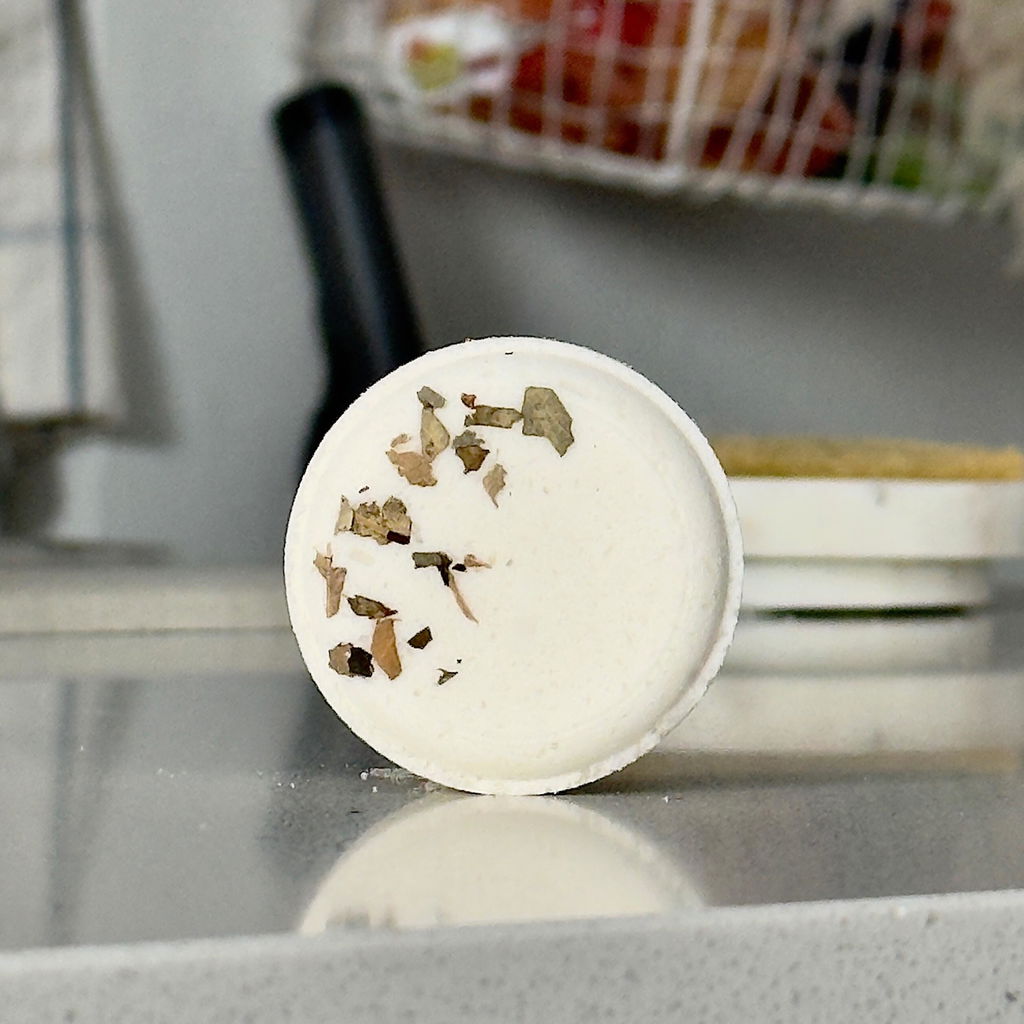
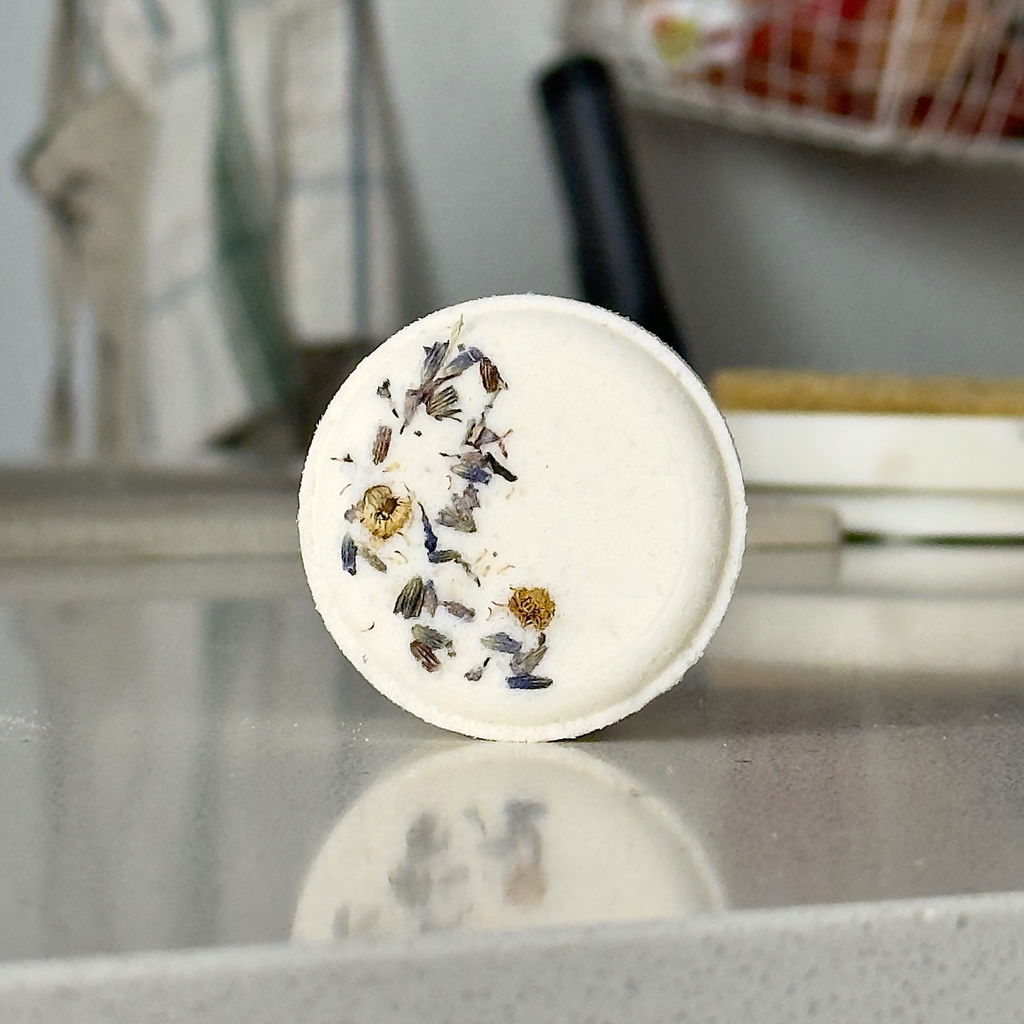
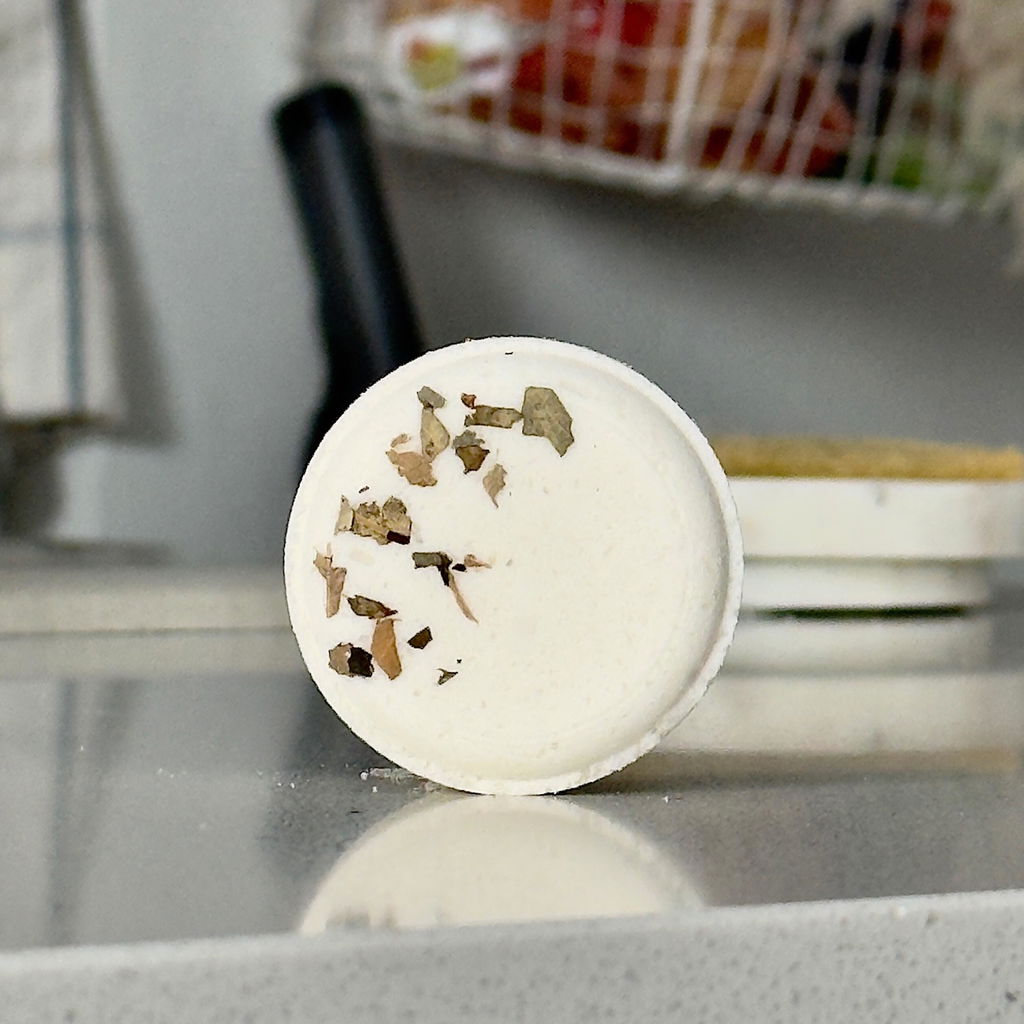
A shower steamer can add a scented moment to your shower before you pick up a scrubber. You can browse our Aromatherapy Botanical Shower Steamer and pick a scent for sinus relief, calm, or energy.
Sugar Scrubs for Gentle Exfoliation
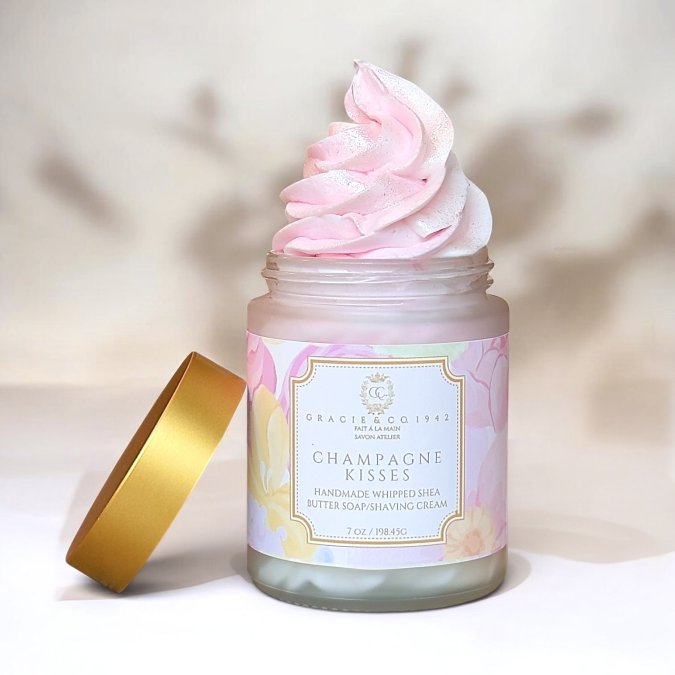
Sugar scrubs are my favorite for this. Fine sugar gently sweeps away dry, dull skin, and the rest of the formula rinses clean. Our Nourishing Sugar Scrub comes in a glass jar, so you can skip plastic altogether.

Massage a small amount onto damp skin in gentle circles, focusing on rough spots. Then rinse well and pat dry. Our CLOUD Polish & Restore Sugar Scrub is another option, and it's available in 13 scents.

How to Clean a Natural Loofah and Make It Last
A natural loofah can last a few weeks or longer if you care for it. The key is keeping it dry between showers.
Cost per Use, Replacement and Lifecycle Impact
Think about what happens at the end, too. A natural loofah can break down after its useful life. A plastic one keeps going.
A Simple Way to Compare Cost per Use
- Plastic puff: often replaced every few weeks to a couple of months. Cheap upfront, but you keep buying.
- Natural loofah: usually a few weeks to a couple of months with good drying. Plant-based and compostable at the end.
- Cotton washcloth: lasts a long time with regular laundering. One of the lowest cost-per-use options over a year.
- Silicone scrubber: higher upfront, but reusable for a long stretch if you clean it well.
- Sugar scrub in a glass jar: you use a small scoop per shower, so a jar stretches across many washes. No plastic scrubber to replace at all.
Lifecycle Impact Beyond "Biodegradable"
"Biodegradable" is only one piece of the picture. Here is how I think about the full lifecycle of each option:
A Quick Reality Check on Labels
Our Nourishing Sugar Scrub is a glass-jar option for polishing dry, rough-feeling skin. Our shea butter soap is another product to use with a washcloth.
Here is how the main options compare on cost and how long each one lasts.
Nourishing Sugar Scrub – Polish & Restore in Glass Jar →
| Option | Typical lifespan | Note |
|---|---|---|
| Plastic puff | Every few weeks to a couple of months | Cheap upfront, but you keep buying |
| Natural loofah | A few weeks to a couple of months | Plant-based and compostable at the end |
| Cotton washcloth | Lasts a long time with regular laundering | Among the lowest cost per use over a year |
| Silicone scrubber | Reusable for a long stretch | Higher upfront cost |
| Sugar scrub in glass jar | One jar stretches across many washes | No plastic scrubber to replace |
Choosing the Right Option for Your Skin and Routine
A washcloth, sugar scrub, and loofah offer different textures. Choose the option that feels right for you. Our best natural ingredients for dry skin guide explains which ingredients help and why.
Consider how you shower, too. A washcloth, sugar scrub, or shower steamer may fit your routine.
The dry Arizona desert air can be a real concern when skin feels dry.
A Skin-Type Guide
Here is how I'd match each option to different skin needs. This is general guidance, not medical advice. If you have a skin condition, please check with your doctor before adding physical exfoliation.
- Acne-prone skin: A doctor can guide you on what's right for your skin.
- Eczema-prone skin: Please talk to your doctor before trying a scrubber or scrub.
When to Skip Physical Exfoliation
A few times, it's better to put the scrubber down:
A doctor is the right person to ask about a skin concern.
Accessibility and Ease of Use
A shower swap should make your routine easier, not harder. A few things to think about:
A Simple Way to Decide
Ask yourself three questions:
- How does my skin feel after a shower now, tight, soft, or irritated?
- How much time do I want to add to my routine?
- Do I want something I launder, something I hang to dry, or something I scoop from a jar?
Your answers will point you to the right first swap. There's no perfect pick for everyone, and that's okay.
Our Tip: Keep your new scrubber or washcloth where it can dry fully between uses, and you'll get more out of it.
Pick Your First Swap This Week
You don't need to change everything at once. Pick one swap and try it for a week.
Start with a cotton washcloth if you want a simple option. Try a sugar scrub if you want to polish dry, rough-feeling skin.
Once you find what works, the rest will come easily. Our Tip: Keep your new scrubber or washcloth where it can dry fully between uses, and you'll get more out of it.
If you're ready to give it a try, you can shop our Nourishing Sugar Scrub at https://gracieandco1942.com/products/nourishing-sugar-scrub-glass-jar and see how it feels in your own shower.
A little about us: I'm Gracie, a third-generation soap maker. My grandmother started our family's soap making, and I'm proud to carry it on. We're a small, faith-centered family business in Waddell, Arizona, and we make everything by hand in small batches.
Frequently Asked Questions
What can I use instead of a plastic shower loofah?
A washcloth, a natural loofah, or a sugar scrub are options to consider instead of a plastic loofah. Choose the one that suits your preferences.
Are natural loofahs better for the environment than plastic ones?
The environmental impact depends on the materials and how an item is disposed of.
Can I use a washcloth instead of a shower pouf?
Yes. A washcloth is one option to use instead of a shower pouf.
A little about us: I'm Gracie, a third-generation soap maker. My grandmother started our family's soap making, and I'm proud to carry it on. We're a small, faith-centered family business in Waddell, Arizona, and we make everything by hand in small batches.