Gentle Exfoliation Tips for Sensitive Skin That Actually Work

Last Updated: October 29, 2026
Quick Summary
Gentle exfoliation means removing dead surface cells with soft, low-abrasion methods and a light touch, not harsh scrubbing. Pick smooth textures over gritty ones, keep pressure light, start once a week, and always follow with moisturizer. If skin stings or turns red afterward, that's irritation, not results.
- Chemical exfoliation can be gentler than physical scrubbing because it works without friction when used with care.
- Avoid crushed shells, apricot kernels, and coarse salt, which can scratch delicate skin and wear down the barrier.
- High-sensitivity skin should start once every 10 to 14 days and add a session only after 4 calm weeks.
- Never exfoliate two days in a row, and don't stack a chemical exfoliant with a physical scrub the next day.
- Patch test new exfoliants on your inner forearm or jawline and wait 24 hours before using them on your face.
Table of Contents
- Gentle Exfoliation Tips for Sensitive Skin: Start Here
- Physical vs Chemical Exfoliation: Which Is Kinder to Sensitive Skin?
- Exfoliating Ingredients to Avoid for Sensitive Skin
- How Often to Exfoliate Sensitive Skin
- Your Sensitive Skin Exfoliation Routine, Step by Step
- How to Patch Test an Exfoliant and Read the Result
- What to Do After Irritation or a Damaged Skin Barrier
- Choosing a Gentle Exfoliant From Our Shop
- Our Tip
- Frequently Asked Questions
Gentle Exfoliation Tips for Sensitive Skin: Start Here
Gentle exfoliation is the practice of removing dead surface skin cells with soft, low-abrasion methods and a light touch.
Here's the honest truth: rough, scratchy scrubs are where most people go wrong.
A few gentle exfoliation tips for sensitive skin can help you avoid irritation:
- Pick smooth textures over gritty ones
- Keep pressure light
- Start once a week, not daily
The dry desert air here in Arizona makes this even more important. Skin that's already dry and tight doesn't need scrubbing.
Below, I'll walk you through what to use, what to skip, and how to build a routine your skin will actually tolerate.
Physical vs Chemical Exfoliation: Which Is Kinder to Sensitive Skin?
Chemical exfoliation can be gentler on sensitive skin than physical scrubbing, because it works without friction when used with care.
That said, "chemical" sounds scary and "physical" sounds safe. It's often the opposite.
A physical exfoliant is any product you rub on your skin to buff away flakes.
A chemical exfoliant is a product with a mild acid or fruit enzyme that dissolves dead skin.
Here's how they compare for sensitive skin:
| Method | How it works | Best for | Watch out for |
|---|---|---|---|
| Physical (sugar scrub, washcloth) | Buffs away flakes with texture | Body, rough spots | Hard scrubbing, gritty particles |
| Chemical (fruit enzymes, mild acids) | Loosens dead cells without friction | Face, delicate skin | Using too much, too often |
Mixing both in one day is where people can push too far.
Exfoliating Ingredients to Avoid for Sensitive Skin
The ingredients to avoid are the harsh, jagged ones: crushed shells, walnut shells, apricot kernels, coarse salt, and anything that feels like sandpaper.
If a scrub feels rough between your fingers, it's too rough for your face.
Here's what to skip:
- Crushed shells and nut shells
- Apricot kernel pieces
- Coarse salt scrubs on the face
Fine sugar, soft washcloths, and mild fruit enzymes are generally gentler choices for sensitive skin. If you want to know why sulfate-free body soap feels better on sensitive skin, that article explains it.
How Often to Exfoliate Sensitive Skin
Most guides say "once or twice a week" and stop there. That's not enough to actually plan a routine. Frequency depends on how reactive your skin is, what kind of exfoliant you're using, and what else is already in your routine. Here's a schedule I'd actually hand a friend.
A simple schedule by sensitivity level
Think of yourself in one of three buckets. Be honest, most people who think they're "medium" are actually "high" for the first month.
| Sensitivity level | What it looks like | Starting frequency | How to increase |
|---|---|---|---|
| High (reacts easily) | Stings with new products, flushes fast, dry or tight most days | Once every 10-14 days | Add one session only after 4 calm weeks |
| Medium | Occasional redness, some dry patches, tolerates most products | Once a week | Add a second session after 3-4 calm weeks |
| Low (rarely reacts) | Rarely stings, skin feels comfortable most days | Twice a week | Hold at twice a week; don't chase more |
A few ground rules that matter more than the numbers:
- Never exfoliate two days in a row. Skin needs at least one full rest day between sessions, even for low-sensitivity skin.
- Don't stack exfoliants. If you use a chemical exfoliant on Monday, don't use a physical scrub on Tuesday. Pick one lane per week.
- Facial skin is thinner than body skin. Once a week is plenty for most faces. Arms, legs, and feet can handle a little more, but the same ramp-up rules apply.
How to know when to increase
Increase only when all three of these are true:
- Your skin felt calm during and after the last two sessions.
- No stinging when you applied moisturizer afterward.
- No new flaking, redness, or tightness the next morning.
If any of those fail, stay at your current frequency for another few weeks. There's no prize for moving faster.
How to know when to dial back
Drop to the next lower frequency, or pause completely, if you notice:
- Stinging when you apply moisturizer
- Flaking that wasn't there before
- Redness that lingers past an hour
A week off is not a setback. It's how you protect the progress you've made.
If your skin is currently irritated, raw, or recovering from a reaction, jump to the recovery section below before you restart any schedule.
Your Sensitive Skin Exfoliation Routine, Step by Step
A sensitive skin exfoliation routine works best when it's short: cleanse, exfoliate gently, rinse, and moisturize. Skip the extras. Simple beats fancy every time.
Here's the order I'd follow:
CLOUD Polish & Restore Sugar Scrub - 13 Scents →
- Start with damp skin. Wet skin is more forgiving than dry skin.
- Use a gentle cleanser first. Remove makeup and sunscreen before you exfoliate.
- Apply a small amount of exfoliant. A dime-sized bit is enough for your face.
- Use gentle pressure. Move in soft circles for about 30 seconds. No pressing.
- Rinse with lukewarm water. Hot water strips moisture.
- Pat dry, don't rub. Rubbing undoes the good you just did.
- Follow with moisturizer right away. Seal in moisture while skin is still slightly damp.
That's it. No ten-step process. No scrubbing until it tingles.
If you're building a gentle routine, our facial soaps are made for everyday use. Every bar has shea butter, coconut milk, and kaolin clay.
How to Patch Test an Exfoliant and Read the Result
Patch test any new exfoliant on a small area before you use it on your whole face. Apply a little to your inner forearm or jawline, wait 24 hours, and check for redness, itching, or stinging.
Here's how I'd do it:
- Wash and dry a small patch of skin
- Apply a thin layer of the product
- Leave it on for the time the label says
A little warmth is normal. Burning, swelling, or a rash is not. If you see those, stop and don't use it again.
If your skin looks calm after 24 hours, try it on your face. Start with a small area there too.
What to Do After Irritation or a Damaged Skin Barrier
Irritation happens. The mistake most people make is pushing through it or restarting exfoliation too soon. Here's a step-by-step plan I'd give a friend, plus how to know when it's time to call a doctor.
The skin barrier is the outer layer that holds moisture in and keeps irritants out. If you're wondering why natural soap can dry skin and how to fix it, that article walks through the causes.
Days 1-3: Pause and protect
- Stop all exfoliants. No scrubs, no acids, no enzymes, no washcloths with texture.
- Wash with lukewarm water and a gentle, sulfate-free cleanser. Hot water strips moisture.
- Moisturize twice a day, morning and night, while skin is still slightly damp.
Days 4-7: Check for calm
By the end of the first week, most mild irritation starts to settle. Look for:
- No stinging when you apply moisturizer
- Redness fading, not spreading
- No new flaking or cracking
- Skin feeling comfortable, not tight
If things are calmer, keep going with the gentle routine for another week. Don't rush back to exfoliation just because you feel better.
Week 2: Decide whether to restart
If your skin has been calm for a full week, you can think about restarting, carefully.
- Wait at least 7 full days after symptoms clear before your next exfoliation session.
- Drop to the lowest frequency in your sensitivity level (see the schedule above).
- Use the gentlest exfoliant you own. If you're not sure which is gentlest, skip exfoliation for another week.
- Patch test first on your inner forearm or jawline, then wait 24 hours before using it on your face.
If irritation comes back after restarting, pause again and consider whether that product is right for your skin at all.
When to see a doctor
Most mild irritation from exfoliation settles with rest and moisture. But some signs mean it's time to get professional help:
- Irritation that doesn't improve after two weeks of gentle care
- Cracking, oozing, or weeping skin
- Redness that spreads or feels hot to the touch
- Swelling, hives, or a rash
A doctor can tell the difference between simple irritation and something that needs treatment. Soap and moisturizer can't fix everything, and that's okay, that's what doctors are for.
Once your skin is calm again, the goal isn't to get back to where you were. It's to stay a step slower than you think you need. That's how sensitive skin stays comfortable.
Choosing a Gentle Exfoliant From Our Shop
Choosing a gentle exfoliant comes down to two things: fine texture and simple ingredients. Skip anything that feels sharp or scratchy. Look for soft, dissolving textures instead.
We make two body scrubs and one facial exfoliant I'd point you toward.
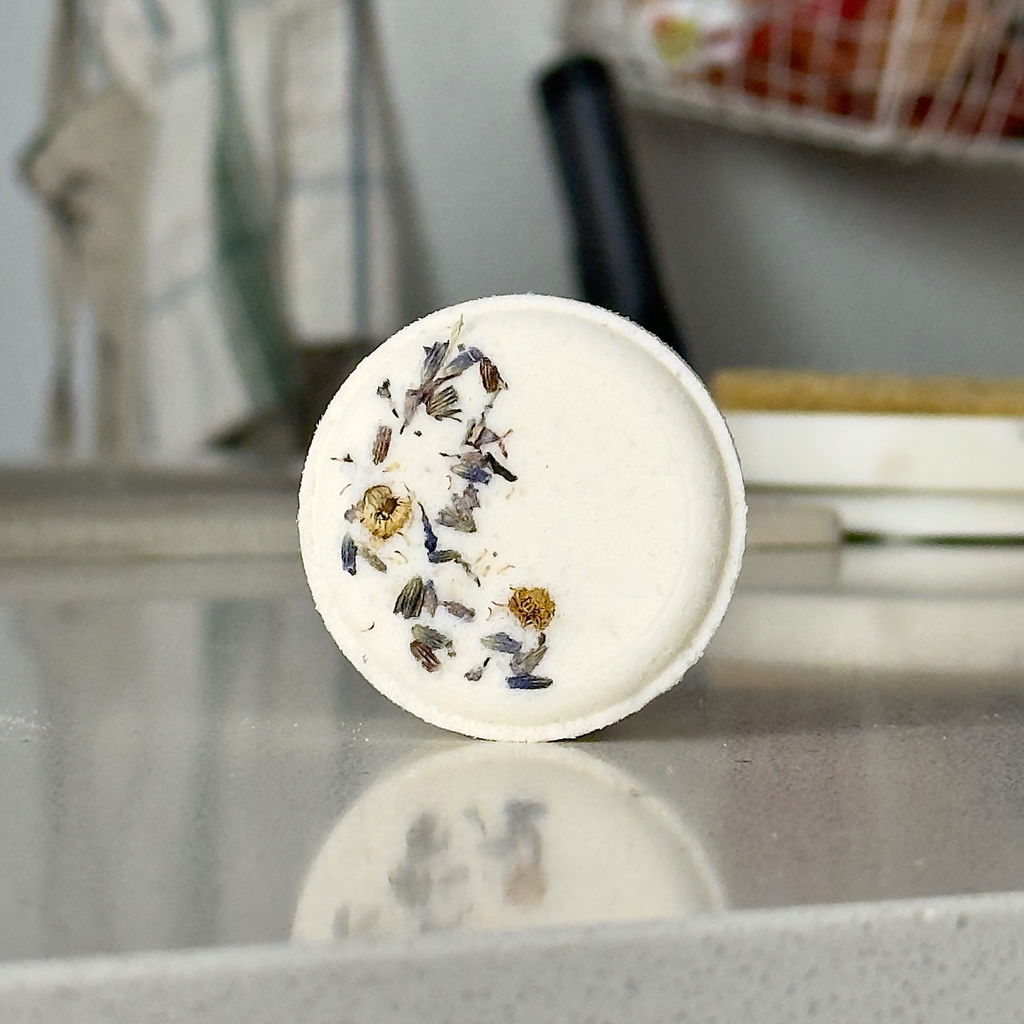
Our Fruit Enzyme Facial Cleanser is a soft powder that turns creamy when you add water.

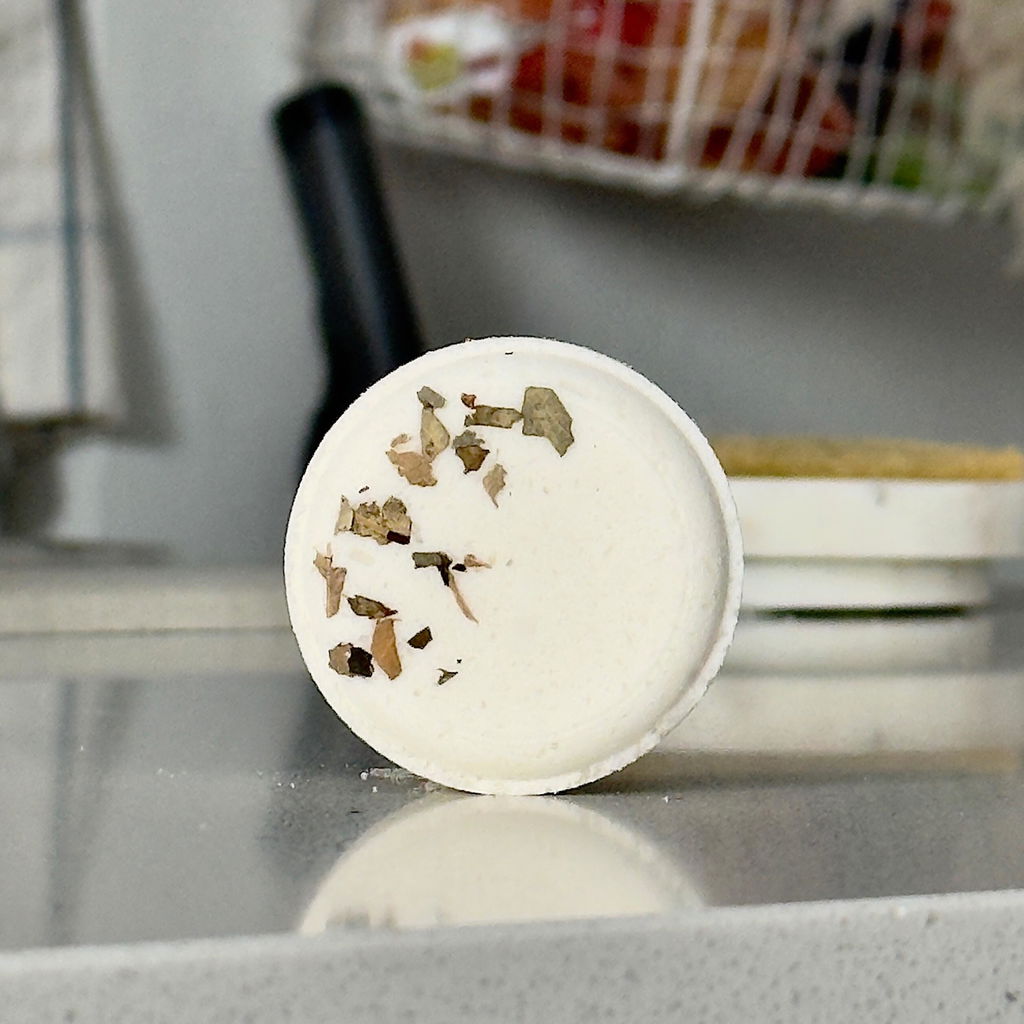
For the body, our CLOUD Polish & Restore Sugar Scrub uses fine cane sugar to gently buff away dry, rough skin.

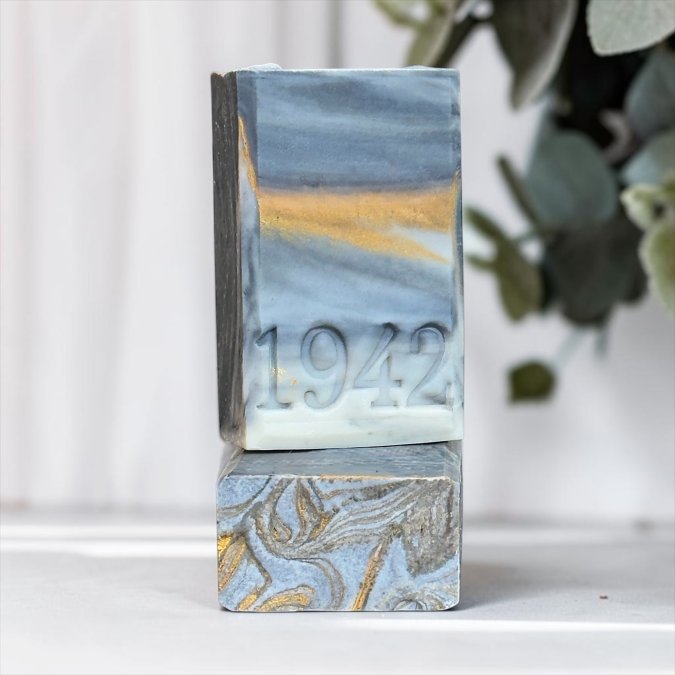
Both are handcrafted by Gracie & Co. 1942.
Our Tip
Keep it simple and go slow. One gentle exfoliation session a week is a fine start. If your skin stays calm, you can add a second.
And remember the desert air here. Dry skin needs moisture more than it needs scrubbing.
We'd love to help you find the right fit. Take a look at our Signature Handmade Artisan Soap and see what feels right for your skin.
Frequently Asked Questions
How often should you exfoliate sensitive skin?
Start with once a week and see how your skin feels for a few days afterward. If there's no redness or stinging, you can try twice a week. Many people with sensitive skin do best with one gentle session a week and never more than two. Watch for tightness or flaking, which usually means you're going too often. A gentle exfoliation habit should leave skin soft, not raw.
Should sensitive skin use a scrub or a chemical exfoliant?
It depends on your skin and how it reacts. A fine sugar scrub with gentle pressure works well for many people, especially on the body. Chemical exfoliants can sting sensitive skin. Patch test either one first. If your skin is reactive or you're using acne treatments, ask a doctor before adding a chemical exfoliant.
What ingredients should you avoid when exfoliating sensitive skin?
Skip scrubs with crushed shells, walnut shells, apricot kernels, salt or coarse sugar, since those abrasive particles can be harsh on delicate skin. Avoid strong acids and high-percentage exfoliants, and be careful with added fragrance if your skin reacts to it. If you use retinoids or acne treatments, don't layer a strong exfoliant on top without checking with a doctor.
How do you know if you are exfoliating too much?
Signs include redness that lingers, stinging when you apply moisturizer, tight or flaky skin, and breakouts that appear right after exfoliating. Those point to over-exfoliation and a stressed skin barrier. Stop exfoliating for one to two weeks, use a gentle cleanser and a plain moisturizer, and let your skin settle. Then restart once a week with gentle pressure.
A little about us: I'm Gracie, a third-generation soap maker. My grandmother started our family's soap making, and I'm proud to carry it on. We're a small, faith-centered family business in Waddell, Arizona, and we make everything by hand in small batches.