

Benefits of Olive Oil in Skincare: 2026 Guide

Table of Contents
- Why Olive Oil Skincare Has Lasted Thousands of Years
- Olive Oil Skincare Benefits: Hydration, Antioxidants, and Anti-Aging
- Is Olive Oil Non-Comedogenic? What Acne-Prone Skin Needs to Know
- EVOO vs. Refined Olive Oil: Which One Belongs in Your Skincare Routine
- How to Use Olive Oil for Your Face: Application Steps and Tips
- Side Effects of Olive Oil on Skin and Who Should Be Cautious
- Storage, Shelf Life, and Getting the Most from Your Olive Oil
- Frequently Asked Questions
Last Updated: September 1, 2026
Why Olive Oil Skincare Has Lasted Thousands of Years
The benefits of olive oil in skincare aren't a trend, they're a tradition backed by thousands of years of use across Mediterranean cultures, increasingly confirmed by science. At Gracie & Co. 1942, we've built our handcrafted soap formulations around olive oil because no synthetic substitute matches what this botanical ingredient does naturally for skin.
Olive oil is a lipid-rich extract from the Olea europaea fruit, composed primarily of oleic acid, linoleic acid, polyphenols, antioxidants, and fat-soluble vitamins. Its exceptional topical value comes not from any single compound but from the synergy between all of them.
Olive oil has outlasted every skincare fad of the past century because its fatty acid profile closely mirrors the skin's natural sebum. The skin recognizes and accepts it rather than reacting to it, a compatibility that forms the foundation for all its benefits.
Olive Oil Skincare Benefits: Hydration, Antioxidants, and Anti-Aging
The benefits of olive oil fall into three interconnected categories: barrier reinforcement, oxidative protection, and cellular repair.
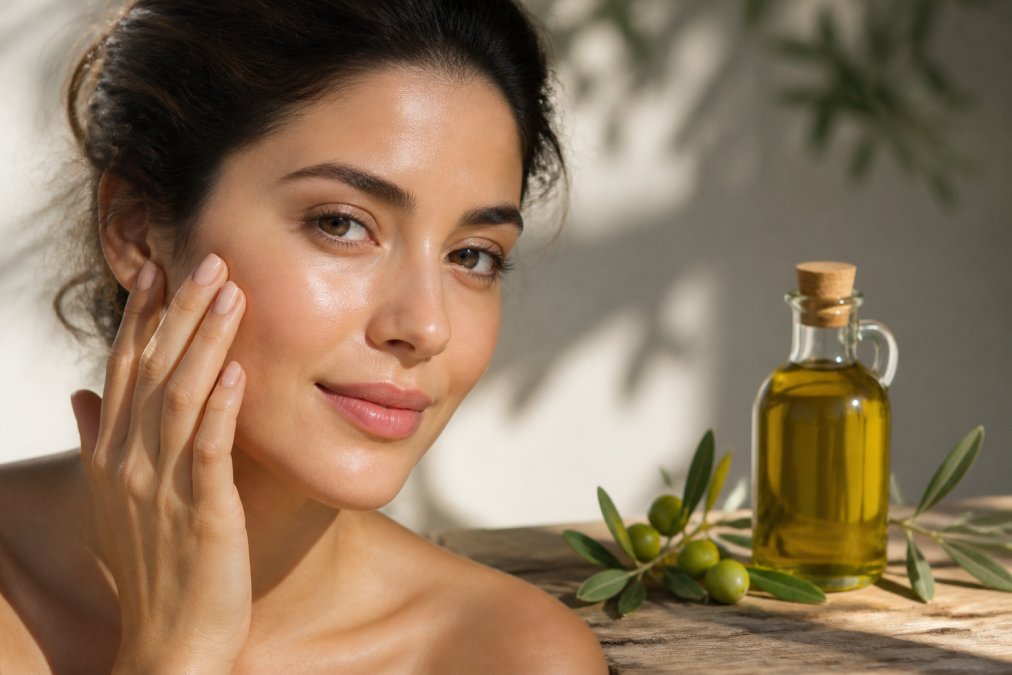
Moisturizing and Skin Barrier Support
Olive oil functions as both an emollient and an occlusive agent. As an emollient, it softens and smooths by filling gaps between skin cells. As an occlusive, it forms a light film that slows transepidermal water loss.
Oleic acid, the primary fatty acid in olive oil, integrates into the lipid barrier readily because of its structural similarity to skin's natural lipids. This is why olive oil applied in appropriate quantities absorbs without leaving residue. Linoleic acid contributes to ceramide synthesis, helping skin rebuild its protective barrier, critical for anyone with chronically dry or compromised skin.
Antioxidant Protection and Anti-Aging Effects
Extra virgin olive oil contains one of the highest concentrations of polyphenols found in any plant-derived skincare ingredient. Hydroxytyrosol, a key polyphenol in EVOO, is a potent free radical scavenger. Free radicals from ultraviolet radiation, pollution, and oxidative stress drive visible skin aging, including fine lines, loss of elasticity, and uneven tone.
Vitamin E in olive oil works alongside these polyphenols to neutralize oxidative damage at the cellular level. Vitamin K supports skin tone and may help with dark circles. Together, these compounds give olive oil a genuine anti-aging profile.
The anti-inflammatory properties of olive oil's polyphenols also reduce chronic low-grade inflammation increasingly linked to accelerated skin aging.
Wound Healing and Skin Regeneration
Olive oil supports tissue regeneration through oleic acid, which stimulates fibroblast activity. Fibroblasts produce collagen and elastin, so increased activity improves skin elasticity and accelerates repair of minor damage.
According to research published in the National Library of Medicine, olive oil applied topically has shown benefits for wound healing and skin barrier recovery in clinical contexts. The combination of emollient properties and anti-inflammatory polyphenols creates conditions supporting regeneration without irritating compromised tissue.
Is Olive Oil Non-Comedogenic? What Acne-Prone Skin Needs to Know
Olive oil is not fully non-comedogenic. On the standard comedogenic rating scale, olive oil typically scores between 2 and 3 out of 5, placing it in the moderate range for pore-clogging potential.
The key factor is oleic acid concentration. Oleic acid is a heavier fatty acid that can disrupt skin microbiome balance and contribute to comedone formation in congestion-prone skin. Linoleic-acid-dominant oils are generally better tolerated by acne-prone skin.
What this means practically:
- Oily or acne-prone skin: Use olive oil with caution. Patch test first. Avoid applying it as a standalone moisturizer to the face.
- Dry, mature, or normal skin: Olive oil is generally well tolerated and beneficial.
- Sensitive skin without active acne: Olive oil's anti-inflammatory properties often make it a good fit, though individual responses vary.
Comedogenic risk also varies by formulation. Olive oil in a rinse-off soap has a different skin contact profile than leave-on treatment. In soap formulations, saponification transforms most free fatty acids into soap molecules that rinse clean, leaving conditioning properties without the same occlusive load.
EVOO vs. Refined Olive Oil: Which One Belongs in Your Skincare Routine
Not all olive oil is the same for topical use.
Extra virgin olive oil (EVOO) is cold-pressed from fresh olives without heat or chemical processing. This preserves the full polyphenol content, including hydroxytyrosol, oleuropein, and squalene, along with vitamins E and K. EVOO has lower acidity and a richer phytochemical profile, the superior choice for skincare.
Refined olive oil is processed using heat and solvents, stripping out significant polyphenols and antioxidants. It will still moisturize but lacks the antioxidant and anti-inflammatory depth that makes EVOO worthwhile for skin.
| Type | Polyphenol Content | Processing | Best For |
|---|---|---|---|
| Extra Virgin Olive Oil | High (hydroxytyrosol, oleuropein) | Cold-pressed, unrefined | Anti-aging, antioxidant protection, wound healing |
| Virgin Olive Oil | Moderate | Minimal processing | General moisturizing, barrier support |
| Refined Olive Oil | Low | Heat and solvent processed | Budget moisturizing, cooking |
| Olive Pomace Oil | Minimal | Solvent extraction | Not recommended for skincare |
For skincare formulations, look for EVOO as the listed ingredient. Many commercial products use refined olive oil or olive pomace oil because they're cheaper and have longer shelf life.
How to Use Olive Oil for Your Face: Application Steps and Tips
The most common mistake with olive oil on skin is using too much. Excess application is where most negative experiences, greasiness, breakouts, clogged pores, originate.
Makeup Removal and Cleansing
Olive oil is an effective makeup remover because like dissolves like. The fatty acids bind to lipid-based cosmetics, including waterproof formulas, and lift them from the skin surface without stripping the skin's own lipid barrier.
Steps for oil cleansing with olive oil:
- Apply 3-5 drops of EVOO to dry hands and press gently onto a dry face.
- Massage in circular motions for 60-90 seconds, focusing on areas with heavy makeup or congestion.
- Lay a warm, damp cloth over the face for 20-30 seconds to open pores.
- Wipe away gently. Repeat if needed.
- Follow with a gentle rinse-off cleanser to remove any residual oil film.
The final rinse-off step is important. Leaving a heavy olive oil film on skin overnight increases congestion risk, particularly for oily or combination skin.
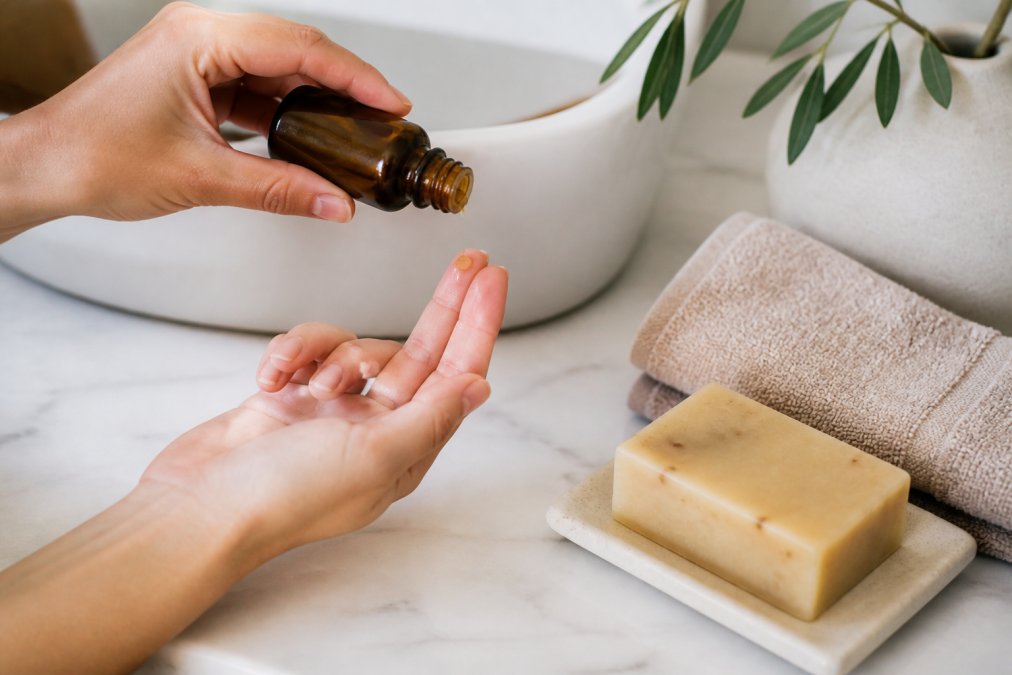
Pairing Olive Oil with Other Skincare Actives
Olive oil pairs well with some skincare actives and conflicts with others.
Compatible pairings:
- Vitamin C: The antioxidant activity of olive oil's polyphenols complements vitamin C's collagen-stimulating effects. Apply vitamin C serum first, let it absorb, then use olive oil as a sealing layer.
- Hyaluronic acid: Apply hyaluronic acid to damp skin, then seal with a small amount of olive oil. The occlusive layer prevents hyaluronic acid from drawing moisture out in dry environments.
- Shea butter: Both are emollient and barrier-supportive, creating a richer conditioning effect when combined.
Use with caution:
- Retinol: Olive oil can dilute retinol concentration and reduce penetration. Apply retinol first and allow full absorption before adding any oil layer.
- Niacinamide: Generally compatible, but some individuals report mild irritation when combining niacinamide with heavier oils. Patch test this combination.
As noted in the American Academy of Dermatology's guidance on moisturizers and actives, layering products from thinnest to thickest consistency and allowing each layer to absorb maximizes individual product efficacy.
Side Effects of Olive Oil on Skin and Who Should Be Cautious
The benefits of olive oil are real, but so are the limitations. A hypoallergenic reputation doesn't mean universal tolerance.
The most common side effects include:
- Contact dermatitis: Some individuals develop an allergic or irritant reaction to olive oil, particularly to its polyphenol content, especially those with existing eczema or compromised barriers.
- Comedone formation: The moderate comedogenic rating means acne-prone skin faces a real risk of increased congestion with regular use.
- Oxidative rancidity on skin: Olive oil oxidizes when exposed to air and light. Rancid oil introduces oxidized lipids that can increase oxidative stress rather than reduce it.
According to clinical dermatology research indexed on PubMed, some studies have found that olive oil may impair rather than strengthen the skin barrier in individuals with atopic dermatitis due to its oleic acid content disrupting ceramide organization.
Who should be most cautious:
- Individuals with diagnosed atopic dermatitis or eczema
- Those with oily or acne-prone skin using olive oil as a leave-on product
- Anyone with a known tree fruit allergy
If you have sensitive skin that reacts to most products, start with an olive-oil-based rinse-off formulation rather than a leave-on product. Skin contact time is shorter, and saponified fatty acids behave differently than free olive oil.
Storage, Shelf Life, and Getting the Most from Your Olive Oil
Olive oil has a typical shelf life of 18-24 months when stored correctly, but that window shortens significantly once a bottle is opened. For topical use, oil quality matters as much as application quality.
Storage rules for skincare-grade olive oil:
- Store in a dark glass bottle, away from direct light. Ultraviolet radiation accelerates oxidative degradation of polyphenols and fatty acids.
- Keep at room temperature or slightly below. Heat speeds rancidity.
- Minimize air exposure. Decant into a small dropper bottle for daily use and keep the larger supply sealed.
- Smell-test before every use. Rancid olive oil has a distinctly waxy, crayon-like odor. If you notice it, discard the oil.
Oxidized lipids are pro-inflammatory, meaning rancid olive oil can actively irritate skin rather than soothe it, especially relevant for sensitive skin types.
For products where olive oil is formulated into soap or other preparations, saponification and added preservative systems extend stability considerably beyond raw olive oil. This is one practical advantage of using a formulated product over raw oil for leave-on applications.
The Gracie & Co. 1942 approach to ingredient integrity starts at sourcing. Small-batch production means shorter time between formulation and use, which matters for oil-based ingredients that degrade over time.
Dry, reactive skin that doesn't respond well to conventional products often does better with formulations built around ingredients the skin already recognizes. Olive oil's fatty acid profile, polyphenol content, and centuries of documented use make it one of the most defensible choices in natural skincare. Gracie & Co. 1942 handcrafts every bar using 100% natural ingredients, including olive oil, with no sulfates, parabens, or synthetic fillers, so what you're putting on your skin is exactly what the label says. For anyone ready to replace conventional soap with something that genuinely nourishes rather than strips, explore the full collection and find what your skin has been missing. SHOP NOW.
Frequently Asked Questions
Is it good to put olive oil directly on your skin?
Yes, for most skin types, applying olive oil topically is safe and beneficial. It acts as an emollient and occlusive, sealing in moisture and reducing transepidermal water loss. Its fatty acids, particularly oleic acid, support the lipid barrier. For best results, use extra virgin olive oil rather than refined versions, and apply a small amount to damp skin. People with oily or acne-prone skin should patch-test first, as its comedogenic rating may cause breakouts for some.
What happens if you apply olive oil to your face daily?
Daily use of olive oil on the face can improve skin hydration, soften texture, and deliver a steady supply of antioxidants like vitamin E and polyphenols that combat oxidative stress. Over time, many users notice improved skin elasticity and a more even tone. However, daily use on oily or combination skin can contribute to clogged pores. Starting with two to three times per week and observing how your skin responds is a practical approach before committing to a daily routine.
What are the disadvantages of applying olive oil on your face overnight?
Leaving olive oil on your face overnight increases the risk of pore-clogging, especially for oily and acne-prone skin types. Because olive oil is high in oleic acid and has a comedogenic rating of 2, it can disrupt the skin microbiome balance with prolonged contact. It may also transfer to pillowcases, which can harbor bacteria over time. Those with dry or mature skin generally tolerate overnight application better, but a light layer is always preferable to a heavy application.
Is olive oil non-comedogenic for all skin types?
No. Olive oil carries a comedogenic rating of 2 on a scale of 0 to 5, meaning it has a moderate chance of clogging pores for some people. It is not universally non-comedogenic. Dry, normal, and mature skin types typically tolerate it well. Oily and acne-prone skin types face a higher risk of breakouts because the high oleic acid content can interfere with sebum regulation. A patch test on the jawline or inner arm before full facial use is strongly recommended.
How does olive oil compare to other botanical oils for skin hydration?
Olive oil is a rich emollient that excels at sealing moisture into the skin, but oils higher in linoleic acid, such as rosehip or jojoba, are often better tolerated by oily and acne-prone skin. Olive oil's strength lies in its polyphenol and vitamin E content, which adds antioxidant protection alongside hydration. For dry or mature skin, its occlusive properties make it one of the more effective botanical options. Mixing a few drops into a lighter moisturizer is a practical way to gain its benefits without heaviness.
Does the quality of olive oil matter for skincare?
Quality makes a significant difference. Extra virgin olive oil (EVOO) retains the highest concentration of polyphenols, hydroxytyrosol, vitamin E, and vitamin K because it undergoes minimal processing. Refined olive oil, by contrast, loses much of its antioxidant content during heat and chemical treatment. For topical application, EVOO delivers measurably more dermatological benefit. Look for cold-pressed, certified EVOO in dark glass packaging to ensure the oil's active compounds remain intact before it reaches your skin.
This article was written using GrandRanker