How Long Does Skin Barrier Repair Take?

Last Updated: October 25, 2026
Quick Summary
Mild skin barrier repair often settles in days to a couple of weeks, while moderate damage can take a few weeks to a couple of months. Severe or repeated damage can take months, and it's worth seeing a doctor. Healing time depends on how much damage there is and whether you keep irritating it.
- Stop new actives, scrubs, and anything that stings, and wash with lukewarm water and a mild, sulfate-free cleanser.
- Moisturize within a minute or two of washing, because damp skin holds moisture better than dry skin.
- Stinging usually fades first, then tightness, then flaking, while redness takes the longest to settle.
- Repeated irritation restarts the clock, and dry Arizona desert air can stretch recovery out.
- See a dermatologist if skin is still raw, cracked, or painful after a couple of months of gentle care.
Table of Contents
- What the Skin Barrier Does and Why It Matters
- Damaged Skin Barrier Symptoms to Watch For
- A Realistic Skin Barrier Repair Timeline
- How to Repair Skin Barrier Naturally
- How to Tell If Your Skin Barrier Is Healing
- What Slows Healing Down (and What to Avoid)
- Building a Gentle Routine That Supports Recovery
- When to See a Dermatologist
- Our Tip
- Frequently Asked Questions
What the Skin Barrier Does and Why It Matters
Your skin barrier is the thin outer layer of your skin that holds moisture in and keeps irritants out.
I'm Gracie, and at Gracie & Co. 1942 we've spent years talking with customers about dry, angry skin.
The short answer: mild damage often settles in days to a couple of weeks.
That's the whole job. Keep water in, keep trouble out.
Damaged Skin Barrier Symptoms to Watch For
Damaged skin barrier symptoms are usually easy to spot once you know what to look for. The most common ones are redness, dryness, tightness, stinging, itching, and flaking.
Here's what people describe to us most often:
- Skin that stings when you apply products that used to feel fine
- A tight, pulled feeling right after washing
- Flaky patches, especially around the nose and cheeks
One thing most guides miss: barrier damage and a true skin condition can look alike. If your symptoms keep coming back, spread, or don't improve with gentle care, that's a sign to get a dermatologist's opinion rather than guessing.
A Realistic Skin Barrier Repair Timeline
A skin barrier repair timeline isn't one-size-fits-all. Healing time depends on how much damage there is, how sensitive your skin is, and whether you keep irritating it. I want to be honest with you: no one can hand you a fixed date. What I can do is give you a staged picture so you know what to expect and when to check in with yourself.
Here's the rough shape most people follow.
Week 1: Calm the Irritation
The first job is to stop making it worse. Pause new actives, scrubs, and anything that stings. Wash with lukewarm water and a mild, sulfate-free cleanser, and moisturize while skin is still damp.
What you may notice: stinging fades first, often within a few days. Tightness starts to ease.
What not to expect: redness gone. It rarely is this early.
Weeks 2 to 4: Rebuild Moisture
This is where steady, boring care pays off. Same simple steps, morning and night. Skin should start feeling softer after washing instead of tight.
What you may notice: fewer stinging episodes, less flaking, and redness beginning to fade in patches rather than all at once.
A common pattern is that people feel better around week two and add back a strong active too soon. That's the most frequent setback I hear about. Hold steady a little longer.
Weeks 4 to 8: Settle and Strengthen
For mild damage, most people are close to normal by now. For moderate damage, this is the stretch where redness and sensitivity keep improving slowly.
What you may notice: products that used to sting feel neutral. Skin looks less reactive in the mirror. You stop thinking about it as much, which is a good sign.
Beyond 8 Weeks: Check In
If you're past a couple of months of consistent gentle care and still seeing raw, cracked, or painful skin, that's your cue to see a dermatologist. Some skin conditions need treatment that soap and moisturizer can't provide, and guessing delays real help.
What Changes the Timeline
A few things reliably slow healing down:
- Repeated irritation. Every setback adds time. If you keep reintroducing the culprit, you keep restarting the clock.
- Underlying skin conditions. Eczema, rosacea, and similar conditions can look like simple barrier damage but need a doctor's care.
- Climate. Dry desert air pulls moisture from skin all day. Here in Arizona, that alone can stretch a recovery out. Wind, cold, and indoor heating do the same.
A Word on the Estimates
You'll see different ranges online, and that's because there's no single study that pins down a recovery time for every person. The ranges come from general dermatology guidance and clinical experience, not from a stopwatch on your skin. Treat any timeline, including mine, as a guide, not a promise. Your own progress is the real measure.
Here's the rough shape of recovery most people follow, stage by stage.
| Stage | What to do | What you may notice |
|---|---|---|
| Week 1 | Pause actives and scrubs, wash lukewarm, moisturize damp | Stinging fades in days, tightness eases, flaking may worsen briefly |
| Weeks 2 to 4 | Same simple steps morning and night | Less stinging and flaking, redness fades in patches |
| Weeks 4 to 8 | Hold steady with gentle care | Products feel neutral, skin looks less reactive |
| Beyond 8 weeks | Check in with a dermatologist if still raw or painful | Persistent cracking or pain needs a doctor |
How to Repair Skin Barrier Naturally
You can support skin barrier repair naturally by doing less, not more. Gentle cleansing, steady moisturizing, and avoiding triggers do most of the work. The trick is understanding why each step matters, so you don't skip the ones that count.
Start here:
Signature Manuka Honey & Oats Hand-Piped Shea Butter Soap – 7 oz →
- Stop the irritant. Pause new actives, scrubs, and anything that stings. Every day you keep using the culprit is a day the barrier stays under attack.
- Wash gently. Use lukewarm water and a mild, sulfate-free cleanser. Skip washcloths and hot showers. Hot water strips the oils that hold moisture in, and friction from a washcloth adds irritation on top.
- Moisturize while damp. Pat skin dry and apply moisturizer within a minute or two of washing. Damp skin absorbs and holds moisture better than dry skin, so this timing matters more than the product itself.
- Protect during the day. Sun and dry air both slow recovery. A simple moisturizer and shade go a long way. Here in the desert, dry air is a real factor, not a small one.
- Keep it boring. Same simple steps, morning and night, for at least a few weeks. Consistency beats variety when skin is healing.
Why Gentle Cleansing Matters
Cleansing is where most people accidentally make things worse. Harsh surfactants, hot water, and scrubbing all strip the natural oils and lipids that fill the gaps between skin cells.
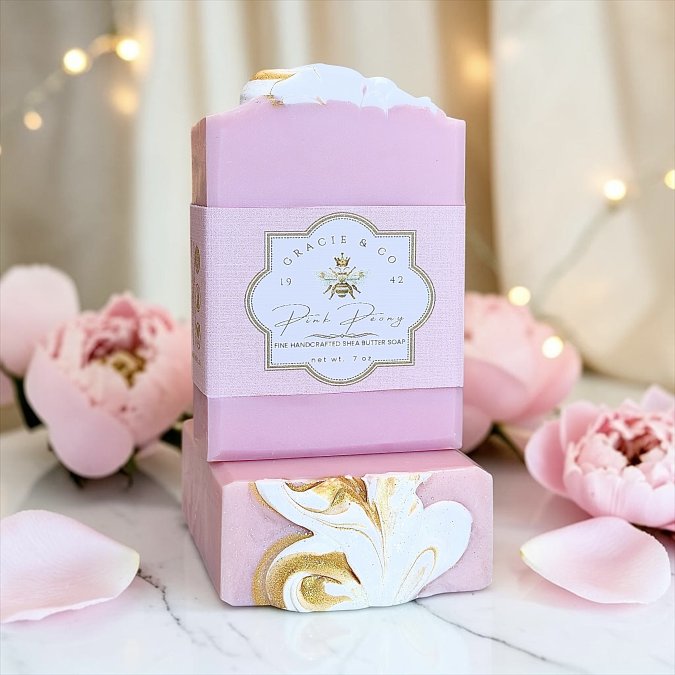
This is where our shea butter soap fits in. Every bar we make has shea butter, coconut milk, and kaolin clay. If your skin is easily irritated, our PURE essential oil soap collection is a good place to start.
Why Moisturizing Is the Other Half
Cleansing removes what shouldn't be there. Moisturizing puts back what should. A good moisturizer helps skin hold water and supports the lipid barrier that keeps irritants out.
Our Soothing Aloe Hand & Body Butter is a soft, easy-to-apply moisturizer for hands and body, made with aloe vera, mango butter, and shea butter. Massage it into clean skin after a shower.

Barrier Damage or Something Else?
Redness, stinging, dryness, and sensitivity can have other causes. Barrier damage from a product or weather usually improves with gentle care within a few weeks. If symptoms keep coming back, spread, or don't improve, that's a sign to get a dermatologist's opinion rather than guessing. Redness alone doesn't tell you the cause. A doctor can.
How to Tell If Your Skin Barrier Is Healing
You'll know skin barrier repair is working when the stinging fades first, then the tightness, then the flaking. Redness usually takes the longest to settle.
Watch for these signs of progress:
- Products that stung now feel neutral
- Skin feels soft after washing instead of tight
- Flaking slows down over a week or two
Track it simply. Take a photo in the same light once a week. Progress is slow enough that you'll miss it day to day.
What Slows Healing Down (and What to Avoid)
The biggest healing blocker is doing too much. Over-exfoliation, hot water, harsh cleansers, and fragrance all keep irritation going.
Avoid these while you recover:
- Scrubs, brushes, and peel pads
- Retinoids and strong acids until skin feels calm
- Very hot showers
Watch out: some "natural" soaps are the problem, not the fix. If a bar leaves your skin squeaky and tight, it's likely too stripping. Our guide on why natural soap can dry skin out explains what to look for.
Building a Gentle Routine That Supports Recovery
A gentle routine during recovery should be short: cleanse, moisturize, protect. That's it.
Here's a simple daily plan:
- Morning: rinse with lukewarm water or a mild cleanser, then moisturize
- Evening: gentle cleanse, pat dry, moisturize while damp
- Weekly: nothing extra until skin feels calm again
Our Soothing Aloe Hand & Body Butter is a soft, easy-to-apply moisturizer for hands and body, made with aloe vera, mango butter, and shea butter. Massage it into clean skin after a shower, paying extra attention to dry elbows, knees, and heels. If you want help layering products without overdoing it, this step-by-step layering guide walks you through it.
When to See a Dermatologist
See a dermatologist if symptoms don't improve after a few weeks of gentle care, if skin is cracked or bleeding, or if you suspect a skin condition rather than simple irritation.
Also reach out if:
- Redness or itching keeps spreading
- You notice swelling, oozing, or pain
- Over-the-counter care isn't helping
I'd rather you get a real answer than keep guessing. Soap is care, not medicine.
Our Tip
Keep one simple rule in mind: if it stings, stop. Healing takes patience more than products. A mild, sulfate-free shea butter soap and a good moisturizer will carry you further than a shelf full of actives.
If you'd like a gentle place to start, our Signature Manuka Honey & Oats shea butter soap is a warm, comforting bar with organic oats for a soft, natural scrub.

Frequently Asked Questions
How long does it usually take for a damaged skin barrier to heal?
It depends on how damaged your skin is. Mild irritation from a new product or too much exfoliation often settles in a few days to a couple of weeks once you stop the cause. Moderate damage can take a few weeks to a couple of months. Severe or repeated damage may take months, and it is worth seeing a dermatologist. The skin barrier repair timeline is a range, not a fixed date, so give your skin steady, gentle care and watch for small improvements.
What are the signs that your skin barrier is damaged?
Common damaged skin barrier symptoms include redness, dryness, flaking, tightness, stinging, itching, and sensitivity to products that used to feel fine. Some people notice more breakouts or a rough texture. These signs often show up after over-exfoliation, harsh cleansers, or trying several active ingredients at once. If the irritation is severe, spreading, or not improving with gentle care, check with a doctor.
How can you tell if your skin barrier is healing?
Look for small, steady changes. Stinging and tightness usually ease first, then flaking and redness start to fade. Your skin may feel softer and less reactive to water and gentle products. How to tell if skin barrier is healing is really about progress over days to weeks, not a single good day. Keep your routine simple and avoid reintroducing active ingredients until your skin has felt calm for a while.
What is the 3 minute moisturizer rule?
The 3 minute moisturizer rule means applying moisturizer within about three minutes of washing your face or stepping out of the shower, while your skin is still slightly damp. The idea is to help seal in moisture before it evaporates. It is a simple habit, not a cure, but it fits well with a gentle routine. Pat your skin dry instead of rubbing, then smooth on a body butter or moisturizer while skin is still a little damp.
A little about us: I'm Gracie, a third-generation soap maker. My grandmother started our family's soap making, and I'm proud to carry it on. We're a small, faith-centered family business in Waddell, Arizona, and we make everything by hand in small batches.